 For any query/comment related to this ebook, please contact us at haidar.ali@rekhta.org
About The Book
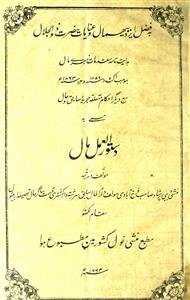
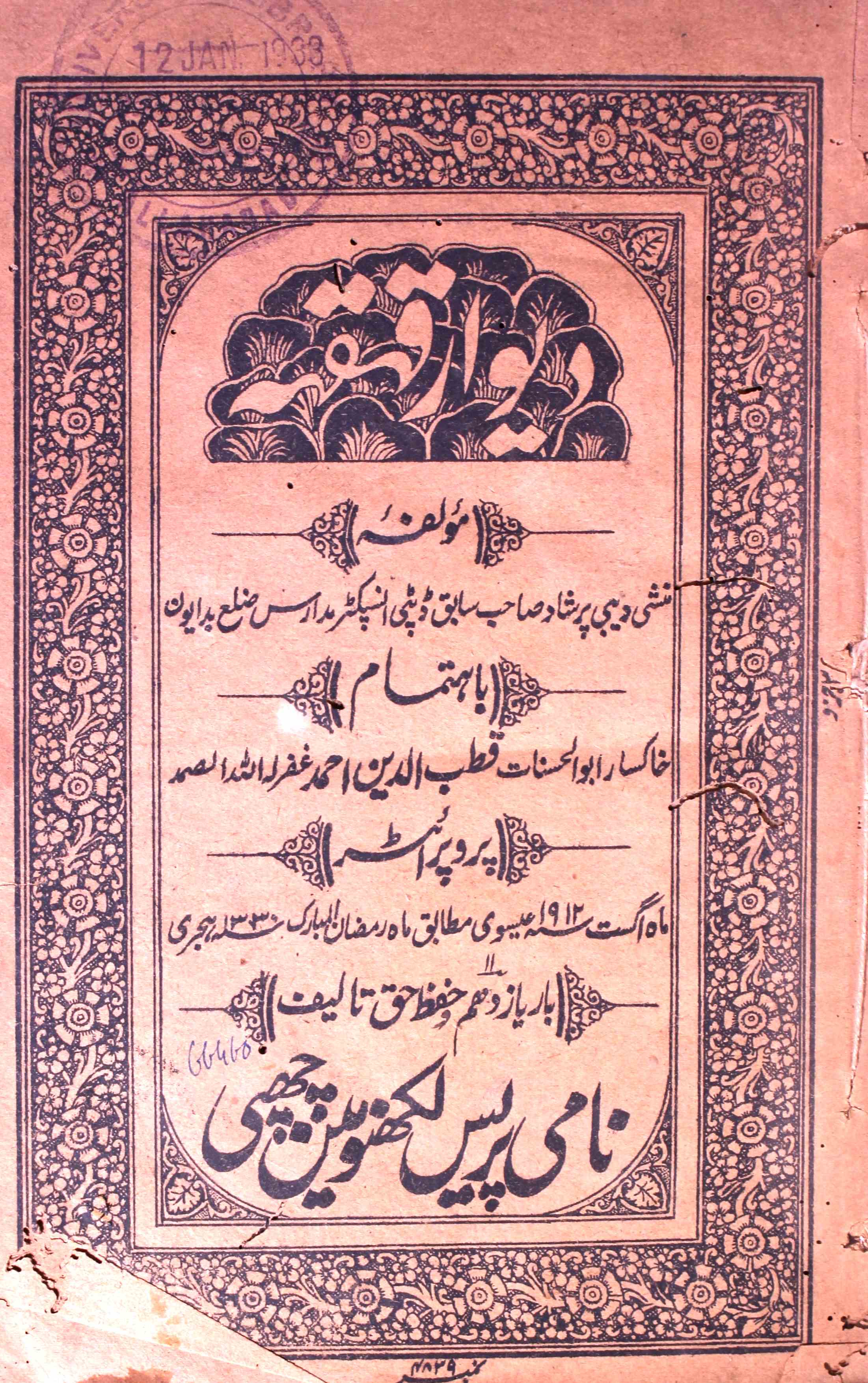
خوش نویسی کے لئے ضروری ہے کہ قواعد سے واقفیت اور رسم الخط کے ضابطوں سے آگہی ہو اسی طرح املا صحیح ہونا بہت ضروری ہے تاکہ الفاظ غلط نہ ہوں ۔ اس کتاب میں خوش نویسی اور اقسام خطوط پر بات کی گئی ہے ۔ کتاب کو سات فصلوں میں تقسیم کیا گیا ہے ۔ پہلی فصل کیفیت حروف و خط، ایجاد خط وغیرہ کے بیان میں ہے ۔ دوسری فصل خطوط مصنوعہ کے بیان میں ہے ۔ تیسری فصل خطوط مرموزہ کے بارے میں ہے ۔ چوتھی فصل خطوط مستورہ میں، پانچویں فصل اسباب کتابت کے بیان میں ہے ،چھٹی تراکیب متفرقہ کے بارے میں اور ساتویں فصل فن طبع کے بیان میں ہے ۔ خوش نویسی کے شائقین کے لئے یہ کتاب ایک نایاب تحفہ ہے ۔ جو آج بھی نہ صرف لکھنے کے کام بلکہ قدیم خطوط میں لکھی گئی کتابوں کو پڑھنے میں بھی مددگار ثابت ہو سکتی ہے ۔
About The Author
Identity: Classical poet, writer, calligrapher, expert in rhetoric, and distinguished educator of the Indian subcontinent
Munshi Devi Prasad “Sahar” Badauni is counted among the distinguished figures of Urdu literature who rendered valuable services in poetry, prose, calligraphy, and education.
Sahar Badauni was born on 24 December 1840 in Badaun (Uttar Pradesh). His father, Munshi Chunni Lal Akhgar, was himself a man of literary taste, which provided Sahar with an early exposure to a rich intellectual and literary environment. His ancestors originally belonged to Bangarmau (near Sandila).
After completing his education, he joined the Department of Education and, through his competence, rose to the position of Deputy Inspector of Madrasas. A significant part of his life was spent in Delhi and Lucknow—two major centers of learning and literature—where his intellectual and literary abilities further flourished.
Sahar developed a passion for poetry at a young age and received guidance from his father. He was unmatched in the art of calligraphy and was also well known for his ability to compose poetry swiftly. Even after retirement, he remained actively engaged in teaching. He not only taught literature to students but also trained them in calligraphy.
He also made notable contributions in writing. His important works include Muheet-ul-Masahat, Mirat-ul-Uloom, Khulasa-e-Mantiq, Dastur-ul-Amal Maal, Miyaar-ul-Imla, Risala Qiyafa, Miyaar-ul-Balaghat, and Arzang-e-Chin. Among these, Miyaar-ul-Balaghat is regarded as an authoritative work on rhetoric, while Arzang-e-Chin is an important book on the principles of calligraphy. In addition, two of his poetic collections (Diwans) are available, including Sahar Samari.
Sahar Badauni significantly promoted Urdu literature, education, and the art of calligraphy through his versatile talents. Most of his books were published by the Munshi Naval Kishore Press.
Death: He passed away in 1902.
For any query/comment related to this ebook, please contact us at haidar.ali@rekhta.org