 For any query/comment related to this ebook, please contact us at haidar.ali@rekhta.org
About The Book
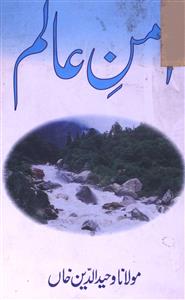
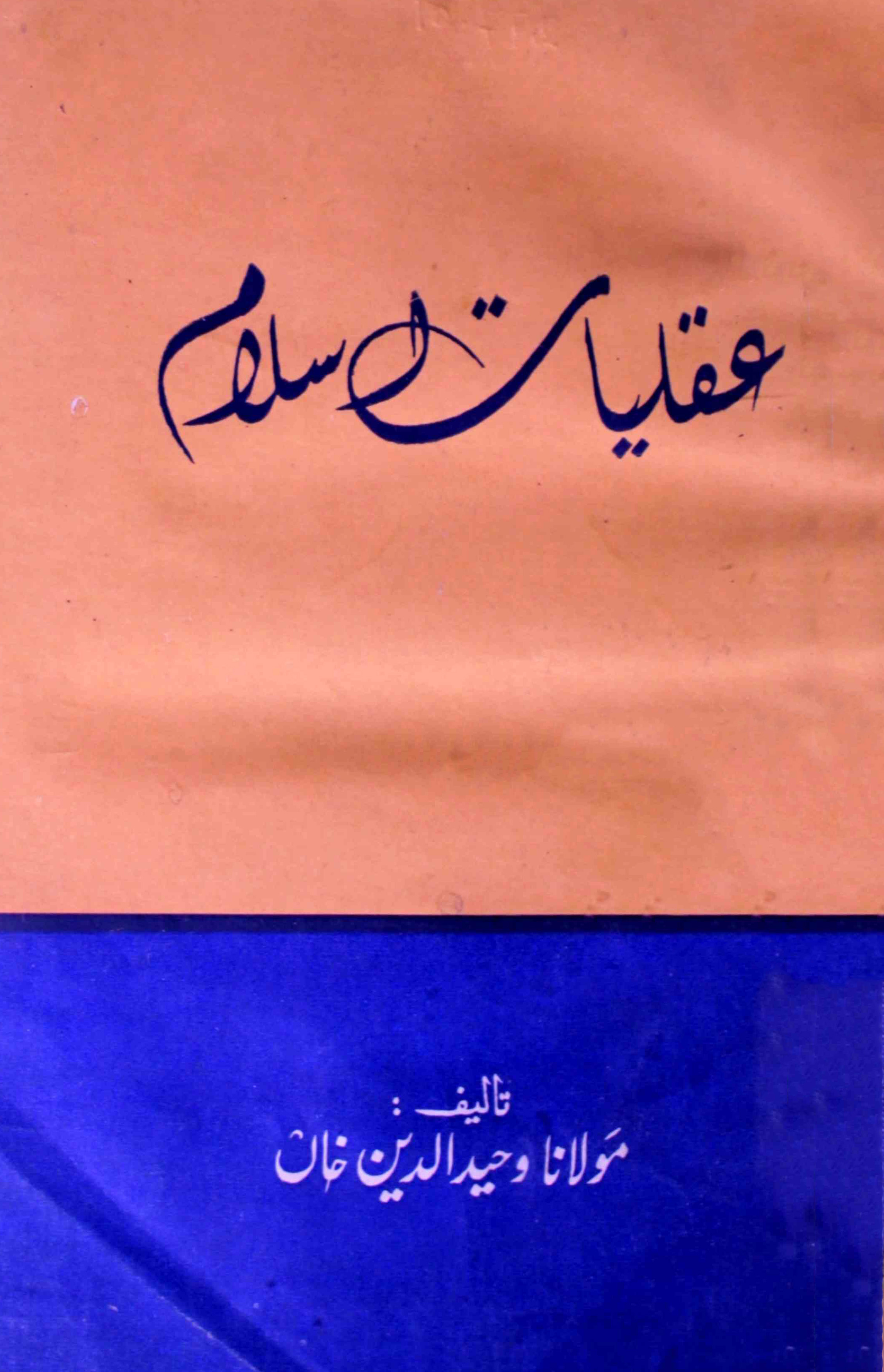
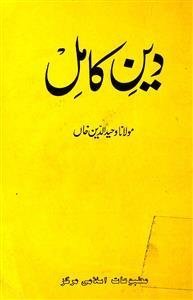
زیر نظر کتاب "دین کامل" مولانا وحید الدین خان کی اسلام کے حوالے سے ایک معتبر کتاب ہے۔ جس میں انھوں نے ایمان ، ایمان کی برکتیں ، اخلاق، اتحاد، اور قرآنی آیت الیوم اکملت لکم کے حوالے سے اسلام کی اکملیت پر مختلف مفسرین اور شارحین کا حوالہ دیتے ہوئے وضاحت کی ہے۔ اس کے علاوہ رسول کی سنت، اسلام کی حکمت ،آپ کا خاتم النبین ہونا ، اللہ کی جانب لوگوں کو دعوت دینا ، دعوت دینے کی ، اور اسلام و سائنس کا موازنہ، دور جدید میں اسلام، اور اسلامی دور جیسے عناوین قائم کرکے نہ صرف مذہب اسلام کے اہم امور کی جانب اشارہ کیا ہے بلکہ مذہب اسلام کی ایک تاریخ پیش کردی ہے۔ اس کتاب کے مطالعہ کے بعد مذہب اسلام کی مکمل شکل قاری کے ذہن میں آجاتی ہے ،جیسا کہ اس کتاب کے نام سے ہی واضح ہوتا ہے۔
About The Author
Identity: Great Islamic thinker, religious scholar, Qur’anic exegete, author, and advocate of peaceful da‘wah
Maulana Wahiduddin Khan (born on 1 January 1925 in Budharia, Azamgarh district, Uttar Pradesh) was among the most renowned Islamic thinkers of the Indian subcontinent, who presented Islam’s message of peace in a modern and contemporary idiom. He belonged to a respected landowning family, but after the early demise of his father, he was brought up under the care of his mother. He received his early education at an Arabic madrasa and later acquired a strong command of the English language and Western thought through self-study.
Maulana Wahiduddin Khan made the relationship between Islam and the modern age the central focus of his intellectual efforts. He believed that the greatest service to Islam in the present era was to demonstrate its truth through modern intellectual and scientific reasoning and to convey its message to the world in a peaceful manner. Guided by this vision, he authored hundreds of books, among which Tazkir-ul-Qur’an (Qur’anic commentary), Religion and the Modern Challenge, The Prophet of Revolution, Invitation to Islam, Islam and the Modern Age, and The Book of Knowledge are particularly noteworthy. He also translated the Qur’an into English.
In the field of da‘wah, his most significant contribution was the establishment of the Islamic Centre for Research and Dawah in New Delhi and the launch of the monthly journal Al-Risala in 1976, which became an important platform for intellectual reform and spiritual awakening. Later, in 2001, he founded the Centre for Peace and Spirituality (CPS International) with the aim of promoting peace, tolerance, and spirituality at the global level.
In recognition of his scholarly and da‘wah-related services, Maulana Wahiduddin Khan received several national and international awards, most notably the Padma Bhushan (2000). He was widely known at the global level as an Ambassador of Peace.
Death: 21 April 2021, New Delhi
For any query/comment related to this ebook, please contact us at haidar.ali@rekhta.org