 For any query/comment related to this ebook, please contact us at haidar.ali@rekhta.org
About The Book
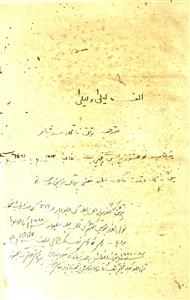
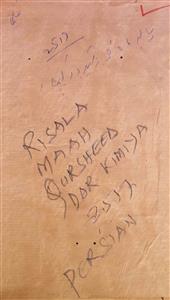
یہ رسالہ ماہ خورشید اس اعتبار سے اور بھی اہمیت کا حامل ہو جاتا ہے کیوں کہ یہ نسخہ بادشاہ اکبر کے سامنے پیش کیا گیا تھا نیز اس پر دارا شکوہ کی تحریر اور اضافہ بھی موجود ہے اس پئے اس کی اہمیت دوچند ہو جاتی ہے
About The Author
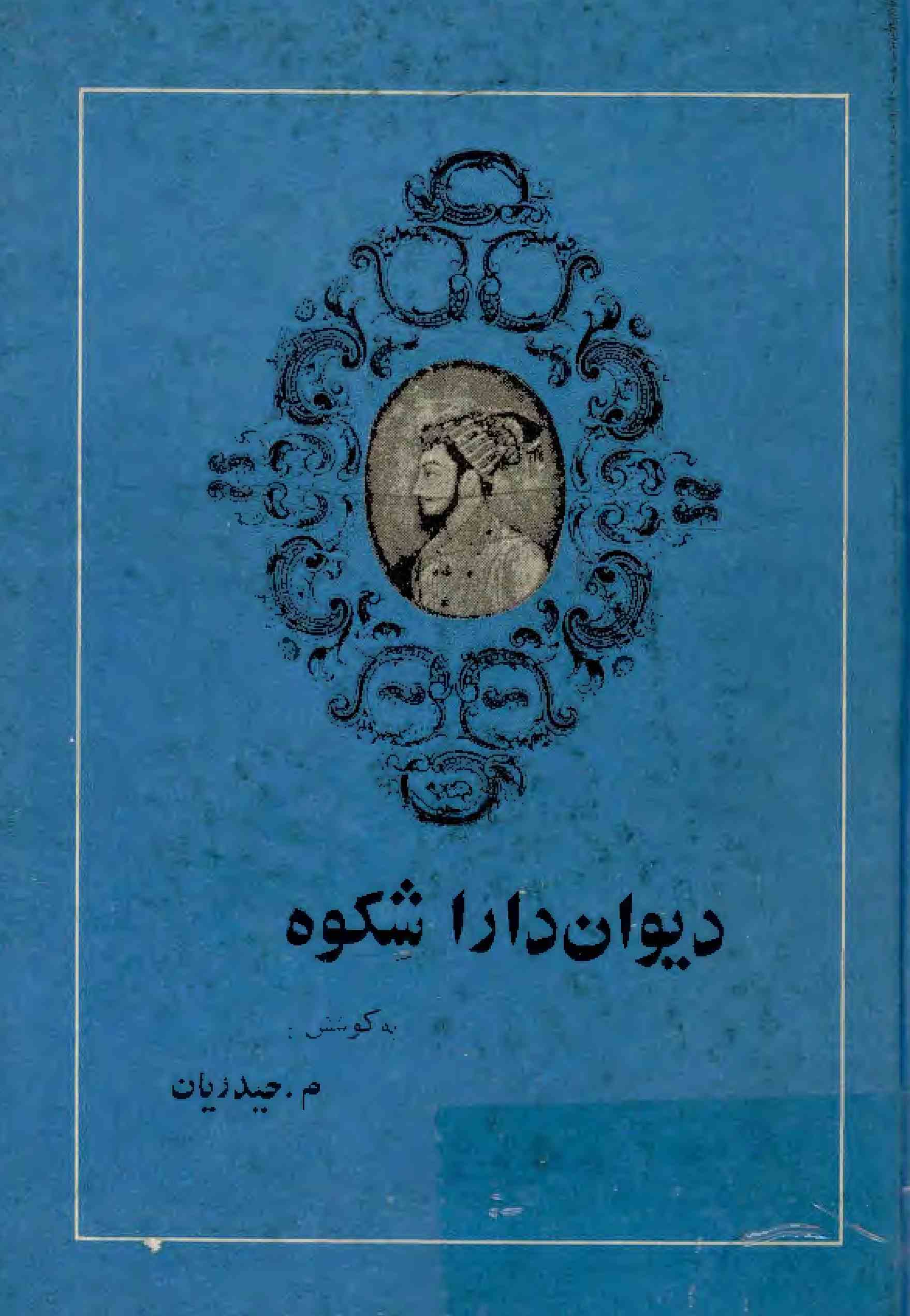
Identity: Mughal prince, Sufi-minded intellectual, translator, advocate of religious tolerance, and author of Majma-ul-Bahrain
Dara Shikoh was born on 20 March 1615 in Ajmer, Rajasthan. He was the eldest son of the Mughal emperor Shah Jahan and Empress Mumtaz Mahal, and the designated heir to the Mughal throne. In the imperial court, he was honoured with titles such as “Shah-e-Buland Iqbal” and “Padshahzada-e-Buzurg Martaba.” Owing to his exceptional intellect, broad scholarship, mystical temperament, and religious openness, he enjoyed immense popularity among both the nobility and scholars. He also shared a deep spiritual and intellectual bond with his elder sister, Jahanara Begum.
Dara Shikoh attained proficiency in Persian, Arabic, Hindi, and Sanskrit. From an early age, he was deeply inclined toward philosophy, Sufism, and spiritual inquiry. He was profoundly influenced by the Qadiri Sufi saints, especially Mian Mir, Mullah Shah Badakhshi, and the Armenian mystic Sarmad Kashani. As an expression of this devotion, he adopted the pen name “Qadiri” and also composed notable Persian poetry, including ghazals, rubaiyat, and qasidas.
Dara Shikoh is best remembered for his efforts to establish an intellectual and spiritual harmony between Islamic Sufism and Hindu Vedantic philosophy. He translated fifty Upanishads from Sanskrit into Persian under the title “Sirr-e-Akbar” so that Muslim scholars and Persian readers could engage with Indian philosophical thought. In the introduction to the work, he even suggested that the “Kitab al-Maknun” mentioned in the Qur’an could refer to the Upanishads.
His celebrated work “Majma-ul-Bahrain” is regarded as one of the earliest and most significant texts of interfaith intellectual dialogue in South Asia. In this treatise, he highlighted parallels between the terminology, concepts, and mystical ideas of Sufism and Vedanta. Among his other important works are Safinat-ul-Auliya, Sakinat-ul-Auliya, Risala-e-Haqnuma, Hasanat-ul-Arifeen, and Aksir-e-Azam.
Dara Shikoh was also a great patron of fine arts, painting, calligraphy, and architecture. His refined aesthetic taste is reflected in the famous “Dara Shikoh Album,” which contains rare examples of Mughal painting and calligraphy and was compiled for his wife, Nadira Banu Begum. The tomb of Nadira Banu Begum in Lahore, the shrine of Mian Mir, the Dara Shikoh Library in Delhi, and certain monuments in Kashmir are also associated with his patronage.
After Shah Jahan fell ill in 1657, a bitter war of succession broke out within the Mughal Empire. Dara Shikoh faced his younger brother Aurangzeb, who proved to be more rigid in religious outlook and stronger in political and military strategy. Following a series of defeats, Dara Shikoh was captured and accused of heresy and religious deviation.
Death: On 30 August 1659, he was executed on the orders of Aurangzeb. He was later buried within the परिसर of Humayun’s Tomb in Delhi.
For any query/comment related to this ebook, please contact us at haidar.ali@rekhta.org