 For any query/comment related to this ebook, please contact us at haidar.ali@rekhta.org
About The Author
Identity: The great poet of Sanskrit, a world-renowned playwright, and a representative creator of classical Indian literature.
Kalidasa is counted among the greatest litterateurs of ancient India, regarded as the brightest star of Sanskrit literature. He is often called the "Shakespeare of Indian literature." His writings reflect India’s mythological stories, philosophy, and civilization.
Kalidasa is generally remembered as an eminent poet and playwright of the Gupta period, although there is disagreement regarding his exact timeline, with some researchers placing him between the 1st century BCE and the 5th century CE. Authentic historical information about his life is limited; however, it is certain that he was one of the most influential literary representatives of classical Indian civilization.
Kalidasa is said to be associated with Ujjain because his writings reflect a special affection for the city. Additionally, the village of 'Kaviltha' in Uttarakhand and the 'Madhubani' district in Bihar are also famous as his residences.
Tradition has it that Kalidasa was extremely illiterate and foolish in his early life; he was once seen cutting the very branch on which he was sitting. He married the highly learned princess Vidyottama, who had vowed to marry only the person who could defeat her in a scholarly debate (Shastratra). Some jealous scholars disguised Kalidasa and used sign language to make it appear as though he had defeated the princess.
Upon discovering his illiteracy after marriage, the princess expelled him from the house. Kalidasa then ardently worshipped Goddess Kali and, through her grace, returned as a great scholar and poet.
Kalidasa made Indian mythology, religious traditions, and philosophical concepts the foundation of his works, presenting them with extraordinary poetic aesthetics. His writings offer a beautiful blend of Indian culture, moral values, nature, love, beauty, and spiritual concepts. For this reason, many critics regard him as the poet-translator of India’s national cultural soul.
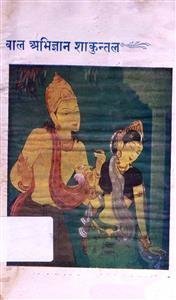
His position in Sanskrit dramaturgy is unparalleled. His three famous plays are Abhijnanashakuntalam, Vikramorvashiyam, and Malavikagnimitram. Among them, Abhijnanashakuntalam is his world-renowned masterpiece, counted among the greatest plays in Indian literature. It was one of the first Indian literary works to be translated into European languages, earning Kalidasa extraordinary fame in the global literary world.
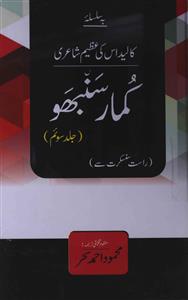
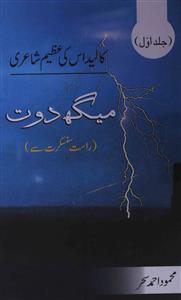
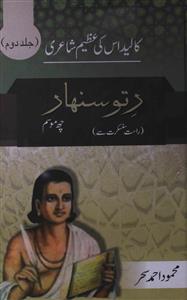
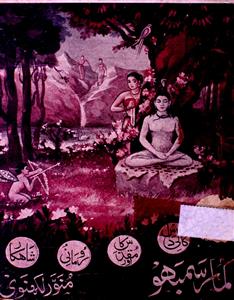
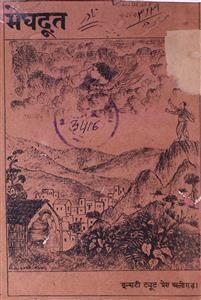
In the field of poetry, his two great epics (Mahakavyas) and two shorter poems (Khandakavyas) are particularly significant. Raghuvamsha narrates the saga of the kings of the Raghu dynasty, while Kumarasambhava describes the love story of Shiva and Parvati and the birth of Lord Kartikeya. Meghaduta is considered a masterpiece of his imaginative power and nature portrayal, in which a Yaksha sends a message to his beloved through a cloud messenger. Ritusamhara vividly presents the scenes of various seasons.
The most prominent feature of Kalidasa's poetry is his depiction of nature, delicate similes, and charming style. In Sanskrit criticism, his similes are considered exemplary, leading to the famous saying, "Upama Kalidasasya" (Kalidasa is incomparable in the use of similes). His language is simple yet impactful, sophisticated yet ornate, and remains remarkably fluent despite being adorned with poetic devices.
Kalidasa's influence has not remained limited to Sanskrit literature; it deeply impacts Indian drama, poetry, theatre, music, and the literature of modern Indian languages. For centuries, his works have been translated into various world languages and remain an integral part of the classical heritage of world literature.
Major Works: Abhijnanashakuntalam, Vikramorvashiyam, Malavikagnimitram, Raghuvamsha, Kumarasambhava, Meghaduta, Ritusamhara.
For any query/comment related to this ebook, please contact us at haidar.ali@rekhta.org