 For any query/comment related to this ebook, please contact us at haidar.ali@rekhta.org
About The Author
Identity: Poet, Journalist, and Translator
Syed Zahoor Ahmad Wahshi was born in 1810 in Shahjahanpur, Uttar Pradesh. He belonged to a scholarly Syed family. His father, Syed Ahmadullah, was known for his learning and intellectual distinction. The family's ancestral homeland was Bukhara, from where their forefather, Hazrat Syed Abid, migrated to India during the Mughal period and settled in Old Delhi. Wahshi received his early education under his father's supervision and was later sent to Darul Uloom Nadwatul Ulama, Lucknow, for higher studies.
From an early age, he displayed extraordinary intelligence, academic brilliance, and linguistic talent. He acquired such mastery over Arabic and Persian that by the age of twelve he had become renowned for his expertise in prosody (ʿIlm al-ʿArūḍ). A distinguished scholar of prosody tested him and was so impressed by his abilities that he publicized the account in contemporary newspapers. During his student years at Nadwa, he began composing Arabic poetry and produced notable na‘tiya and qasida works that were highly appreciated by his teachers.
After completing his education, he moved to Lahore, where the city's literary environment inspired him to turn toward Urdu poetry. There he met the noted journalist and writer Sheikh Abdul Qadir, who encouraged him to pursue prose writing. During this period, he wrote thousands of pages of essays and literary works. Later, his association with Hakim Altaf Ahmad Azad Ansari in Kanpur further refined his poetic taste, and he began writing Urdu poetry on a regular basis.
Wahshi spent time in several important literary centers, including Kanpur, Gorakhpur, Bombay, Shahjahanpur, Calcutta, and Delhi. In Delhi, he established his reputation as a distinguished poet and man of letters. Prominent intellectuals such as Hakim Ajmal Khan and Khwaja Hasan Nizami were among his admirers.
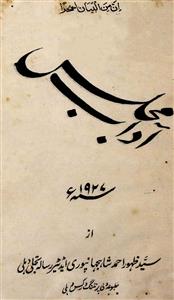
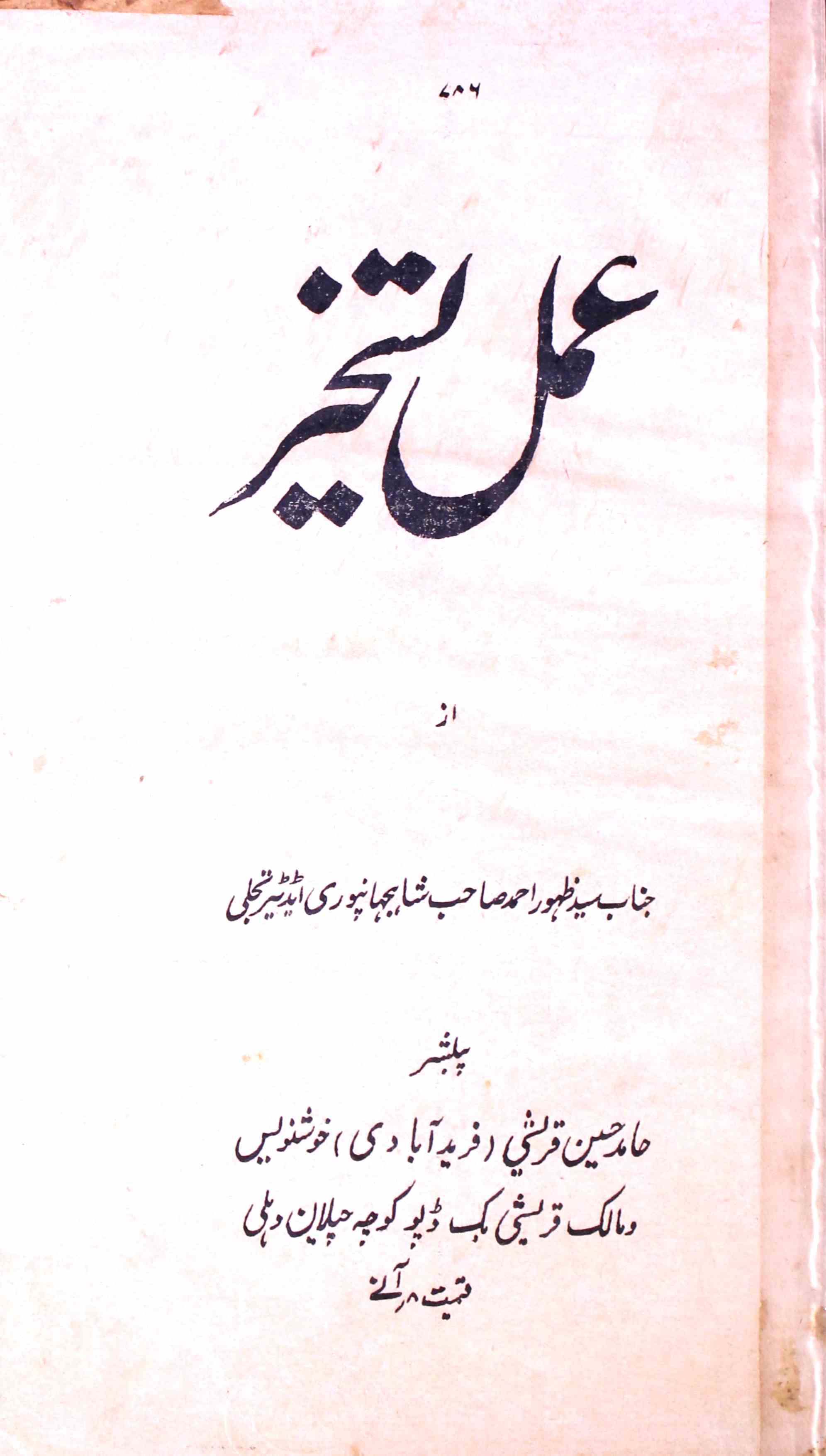
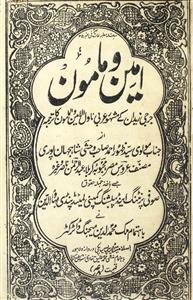
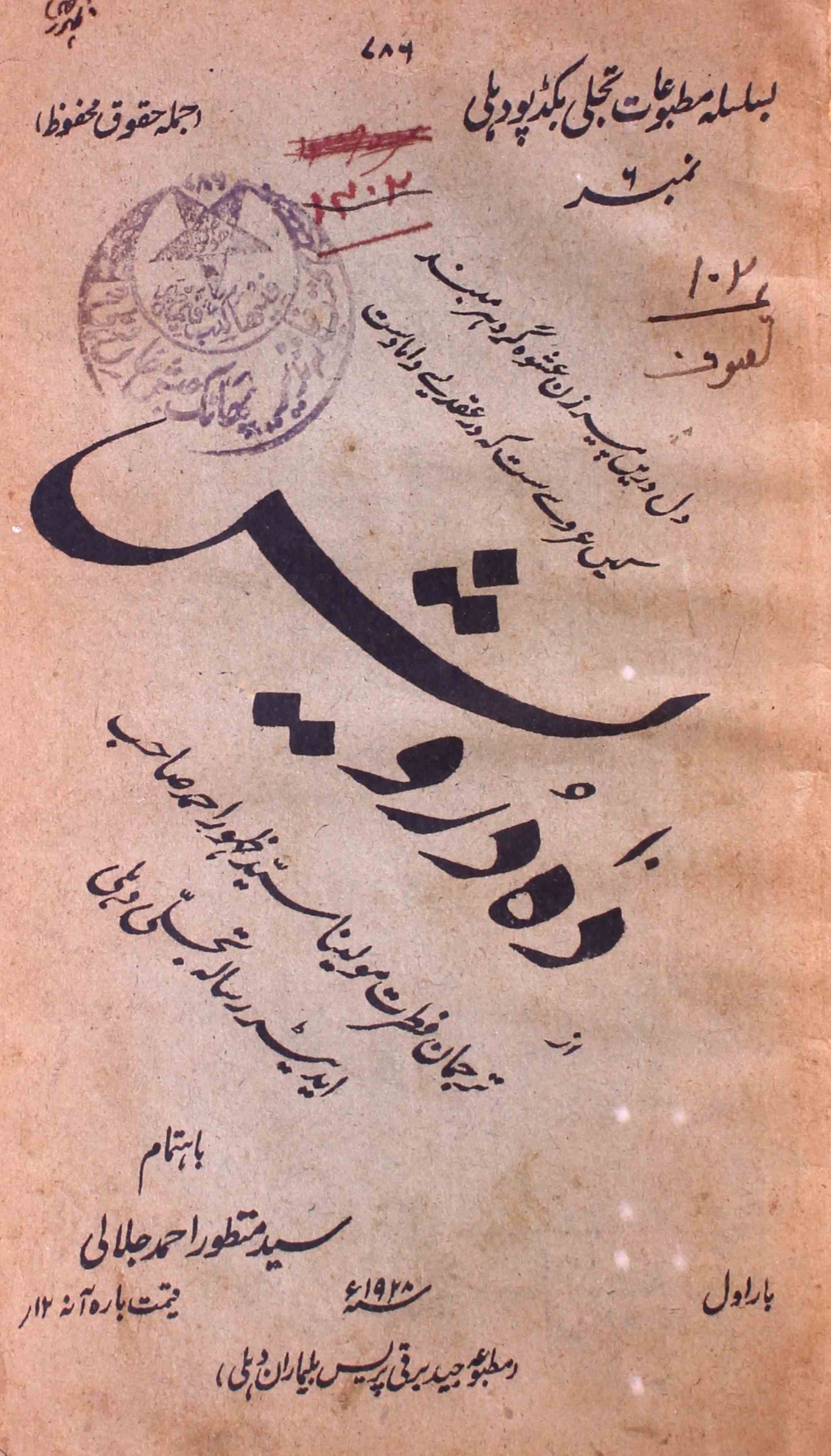
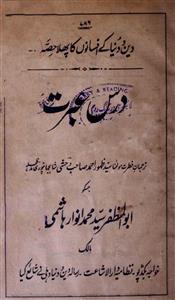
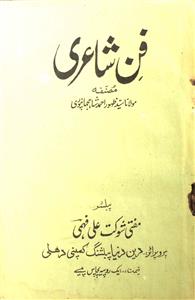
Wahshi was not only a poet but also a prose writer, journalist, and translator. He translated several famous novels of the renowned Arab novelist Jurji Zaydan into Urdu, including Al-Amin wa al-Ma'mun as Amin wa Ma'mun, Ghadat Karbala as Mahbuba-e-Karbala, and Ahmad ibn Tulun as Aroos-e-Misr. He also authored a separate work on the art of poetry, while his poetic collection was published under the title Tilism-e-Afkar. In addition, he wrote numerous books on social reform, economic issues, religion, and society.
His contributions to journalism were equally significant. He launched and edited journals and newspapers such as Tajalli, Rozgar, and Din-o-Duniya from Delhi and established the Tajalli Press. He possessed remarkable command over Urdu, Persian, Arabic, English, and Hindi, and maintained a deep interest in a wide range of disciplines. His personality represented a unique blend of scholarship, literature, journalism, and multilingual excellence.
Death: Syed Zahoor Ahmad Wahshi passed away in Delhi on 13 March 1942.
For any query/comment related to this ebook, please contact us at haidar.ali@rekhta.org