 For any query/comment related to this ebook, please contact us at haidar.ali@rekhta.org
About The Author
Identity: Deobandi Hanafi scholar, Sufi, Chishti mentor, reformer, and prolific author
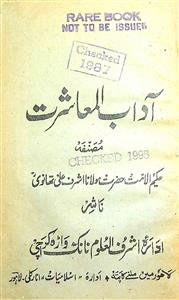
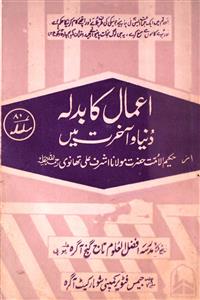
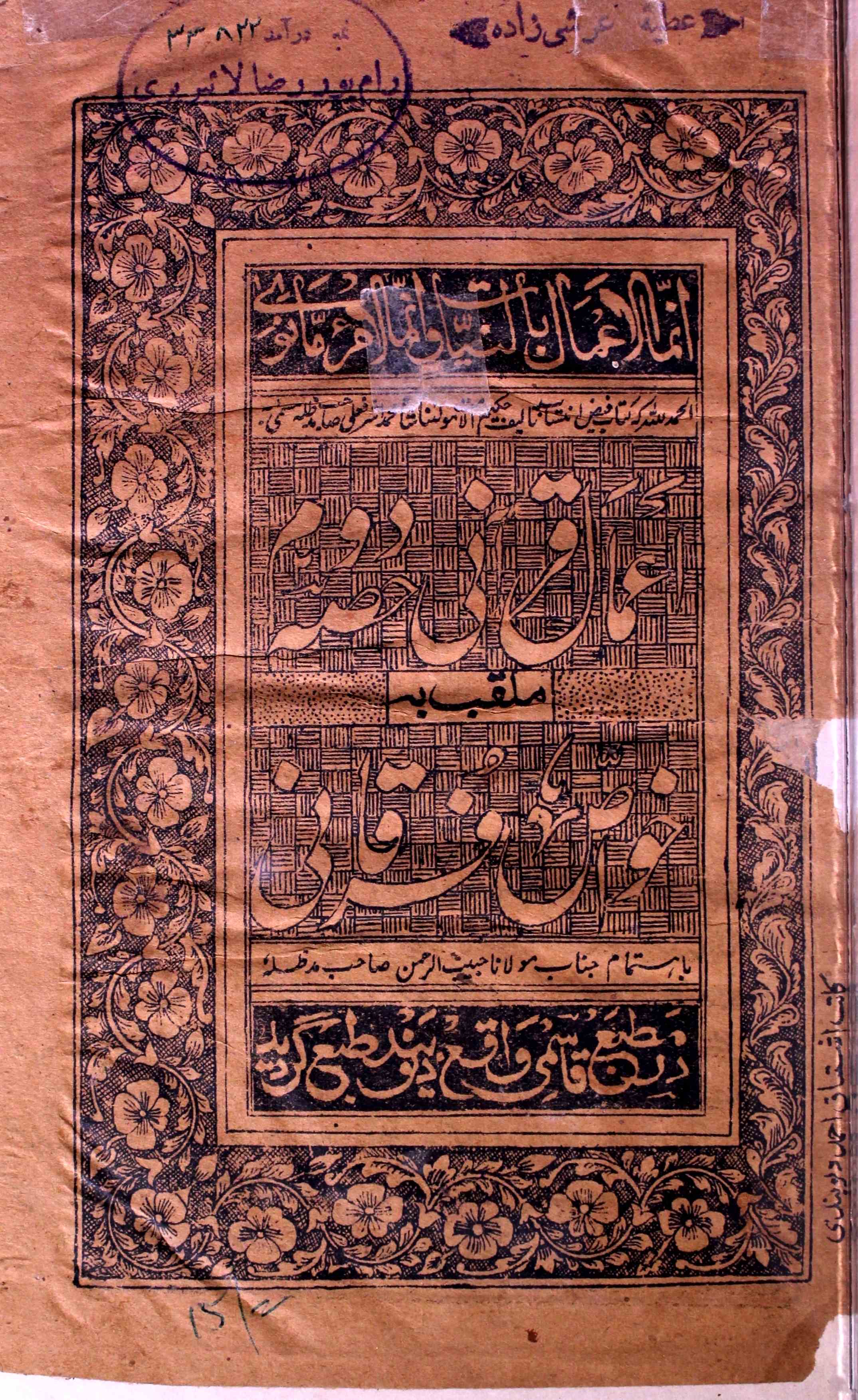
Ashraf Ali Thanvi was a prominent Islamic scholar, Sufi, and social reformer of the Indian subcontinent who made significant contributions to Islamic education, preaching, and societal reform.
He was born on 5 Rabi al-Thani 1280 AH in Thanabhawan (Muzaffarnagar district, Uttar Pradesh, India). His father, Sheikh Abdul Haq, was a respected, religious, and affluent man with strong command over Persian. The religious and cultured environment at home played a major role in shaping his personality.
From an early age, he showed a strong inclination toward religion. He memorized the Quran at a young age and began regularly performing Tahajjud prayers by the age of 12.
He received his early education in Meerut and Thanabhawan, and later enrolled at Darul Uloom Deoband, where he studied for five years and completed his formal religious education.
Among his teachers were eminent scholars such as Muhammad Yaqub Nanotvi and Rashid Ahmad Gangohi. As a student, he was serious, disciplined, and deeply engaged in learning.
After completing his education, he began teaching at Madrasa Faiz-e-Aam in Kanpur, where he served for about 14 years.
In 1315 AH, he returned to Thanabhawan, revived the khanqah of Haji Imdadullah Muhajir Makki, and established Madrasa Ashrafia. There, he devoted himself to teaching, spiritual training, and social reform.
Alongside outward knowledge, he emphasized inner purification. During Hajj, he took spiritual allegiance (bay‘ah) with Haji Imdadullah and later received khilafah from him.
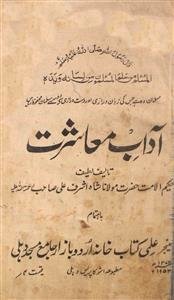
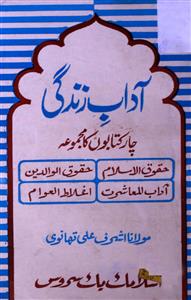
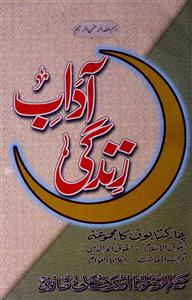
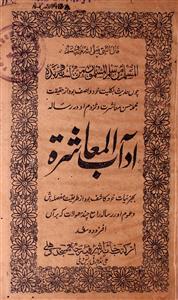
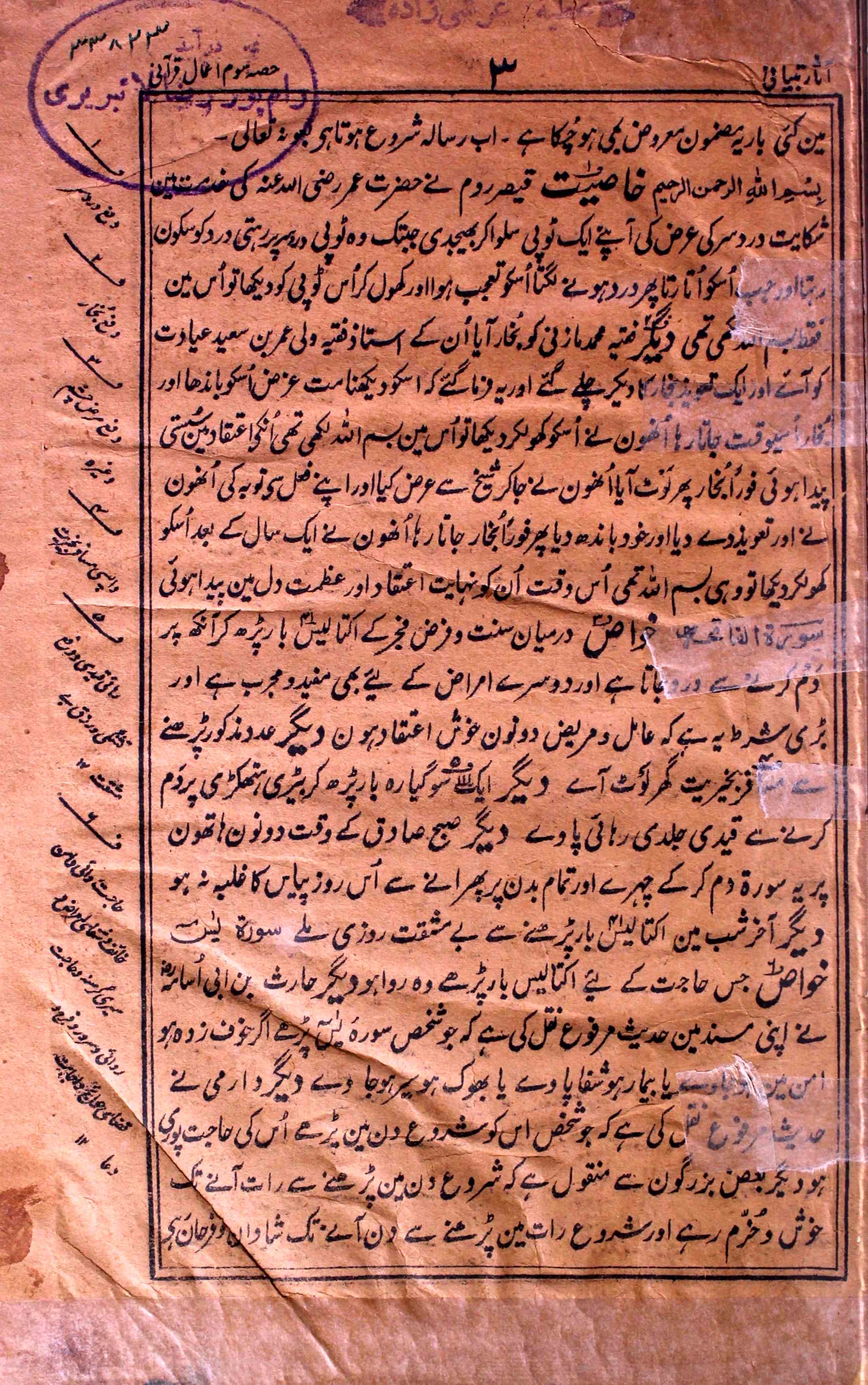
He authored around 800 works covering theology, jurisprudence, Sufism, and social reform.
Death: He passed away on 16 Rajab 1362 AH (20 July 1943). His funeral prayer was led by Zafar Ahmad Usmani, and he was buried in Thanabhawan.
For any query/comment related to this ebook, please contact us at haidar.ali@rekhta.org