 For any query/comment related to this ebook, please contact us at haidar.ali@rekhta.org
About The Book
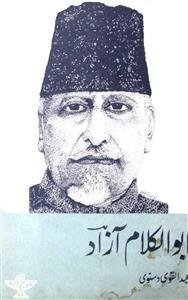
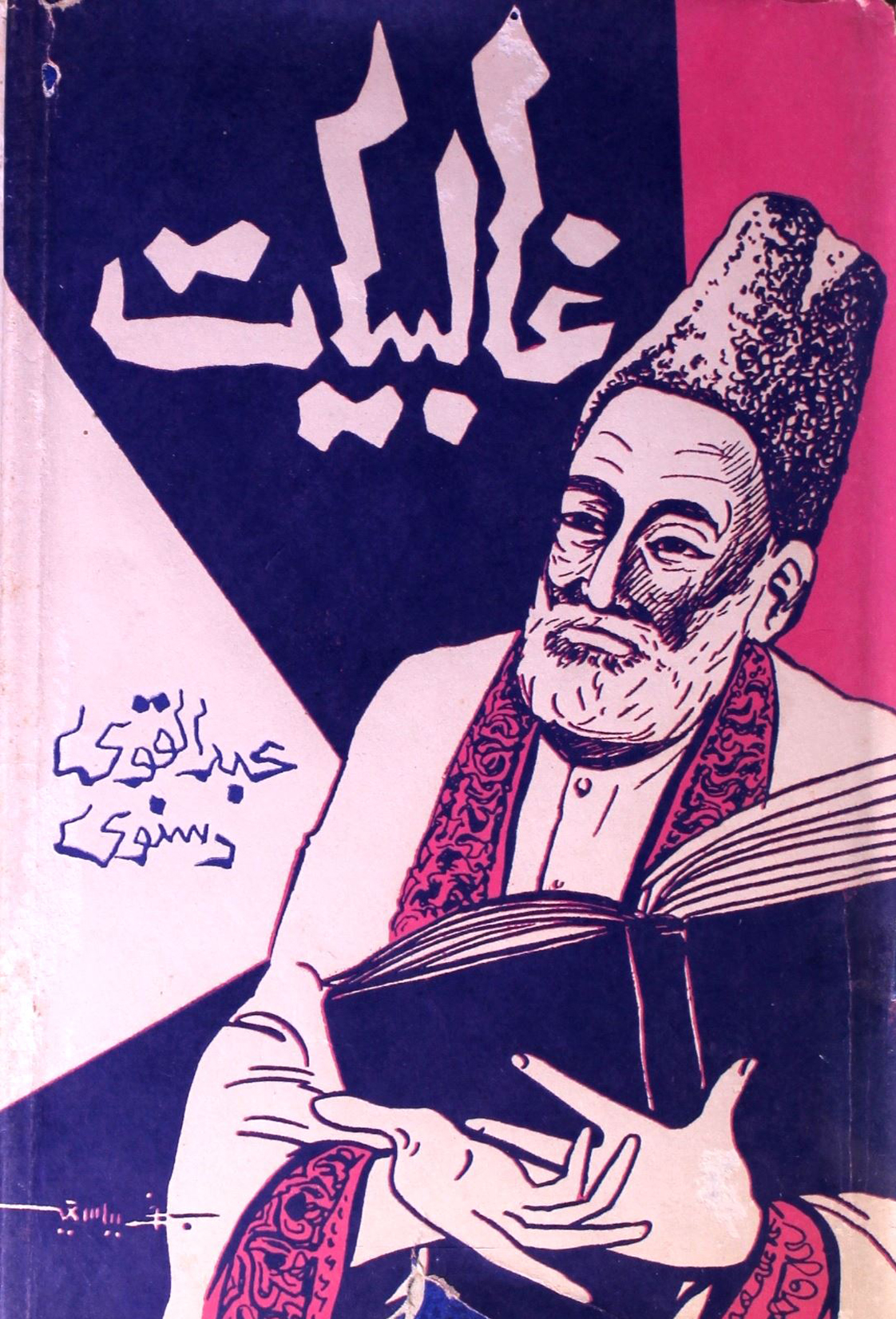
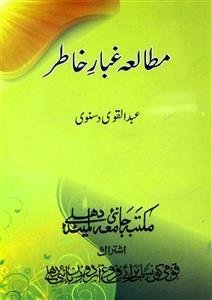
غبارخاطرمیں مولانا کے شخصی حالات،زنداں کے شب وروز،زنداں کے مشاہدات وتجربات کے علاوہ مختلف موضوعات مثلاً چڑیا چڑے کی کہانی،چائے کا شجرہ،زاغ وبلبل کی حکایتیں،فن موسیقی اور چائے کی تاریخ پر قلم اٹھایا ہے۔اور ان تمام واقعات کو مولانا نے بڑے دلچسپ انداز میں جگہ جگہ عربی فارسی اشعار کی مدد سے غبار خاطر کے اسلوب کو دلچسپ بنا دیا ہے۔زیر نظر کتاب "مطالعہ غبار خاطر" عبد القوی دسنوی کی تصنیف ہے جو انھوں نے غبار خاطر کے مطالعہ کے بعد جو نتائج ان کے سامنے آئے ان نتائج کی روشنی میں اس کتاب کا جائزہ پیش کیا گیا ہے ۔چنانچہ کتاب کے شروع میں خط نگاری پر بحث کرتے ہوئے مولانا ابوالکلام آزاد کی خط نگاری کی انفرادیت کو بیان کیا ہے۔اور مولانا ابوالکلام آزاد کی اہم تاریخیں اور ابوالکلام آزاد نما شامل کیا ہے تاکہ مولانا ابو الکلام آزاد پر اس زمانے تک جو کام یا تحقیقی کتابیں لکھی گئی تھیں ان کا اشاریہ لوگوں کے سامنے آجائے اور آئندہ مولانا پر کام کرنے میں آسانیاں ہو جائیں ۔
About The Author
Identity: Renowned Urdu writer, teacher, critic, researcher
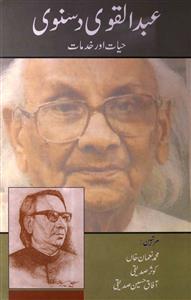
Professor Abdul Qavi Desnavi was born on November 1, 1930, into a respected scholarly family in the famous village of 'Desna' in the Nalanda district of Bihar. He belonged to the family of the eminent historian and biographer Allama Syed Sulaiman Nadvi. His father, Syed Mohammed Saeed Raza, was a professor of Urdu, Arabic, and Persian at St. Xavier's College, Mumbai. Desnavi received his primary education in Bihar and completed his higher education (B.A. and M.A.) at St. Xavier's College, Mumbai. His entire professional life was dedicated to the promotion and research of Urdu literature. In February 1961, he joined the Urdu Department of Saifia Post Graduate College, Bhopal, and served as its head for a long period. Under his supervision, dozens of students obtained their PhD degrees, and today, many renowned poets and writers of the Urdu world are among his students.
In Urdu literature, Abdul Qavi Desnavi is recognized as an authentic researcher and bibliographer. He conducted extraordinary research on the three pillars of Urdu literature: Mirza Ghalib, Allama Iqbal, and Maulana Abul Kalam Azad. More than 50 of his works were published, including books like 'Bhopal aur Ghalib', 'Talash-e-Azad', 'Hayat-e-Abul Kalam Azad', 'Mutala-e-Khotoot-e-Ghalib', and 'Iqbaliyat ki Talash', which are valuable assets of Urdu literature. He also did significant work on Ghalib's 'Nuskha-e-Bhopal'. His scholarly stature can be gauged from the fact that eminent personalities such as Indira Gandhi, Dr. Shanker Dayal Sharma, Dr. Zakir Husain, Moulvi Abdul Haq, Krishan Chander, and Kaifi Azmi maintained correspondence with him.
Desnavi also held several important administrative positions, including Secretary of the Madhya Pradesh Urdu Academy, Dean of the Faculty of Arts (Barkatullah University, Bhopal), and Member of the General Council of Anjuman Taraqqi Urdu (Hind). In recognition of his literary services, Google honored him on November 1, 2017, by releasing a special 'Google Doodle' on his 87th birth anniversary. He made Bhopal the center of his scholarly activities and opened new horizons for Urdu research from there.
Death: He passed away on July 7, 2011, in Bhopal and was buried there.
For any query/comment related to this ebook, please contact us at haidar.ali@rekhta.org