 For any query/comment related to this ebook, please contact us at haidar.ali@rekhta.org
About The Book
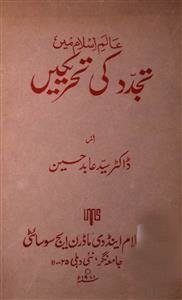
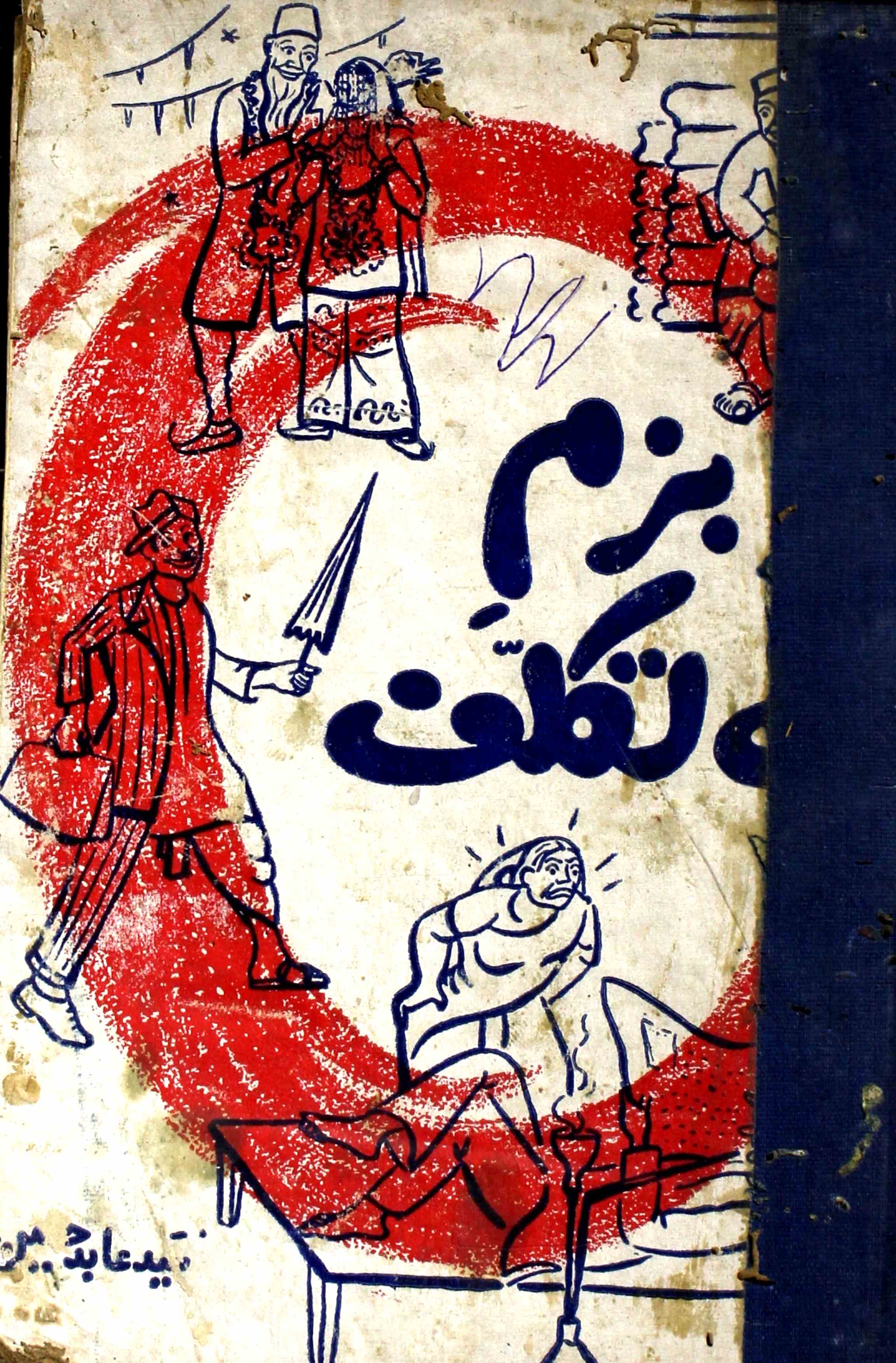
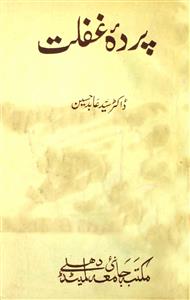
اردو ڈرامے کو عصری آگہی، قدیم و جدید کی کشمکش اور قومی زندگی کے گوناگوں مسائل کا وسیلہ اظہار بنانے والے ڈراما نگاروں میں سیدعابدحسین کا نام سر فہرست ہے۔ مغربی طرز پر لکھا گیا سید عابد حسین کا ڈراما "پردہ غفلت" عصری ماحول کا ترجمان ہے۔ مختلف رویوں کے درمیان پائی جانے والی کشمکش کا عکاس ہے۔ اور منفرد کردارنگاری وفنی محاسن کی وجہ سے نمایاں حیثیت کا حامل ہے۔ ڈرامہ میں ایک مسلم زمیندار کے گھرانے کی کہانی بیان کی گئی ہے، جس میں سماجی مسائل کو سامنے رکھتے ہوئے اس بحران کی جھلک دکھائی گئی ہے جس سے زمیندار طبقہ پہلی جنگ عظیم کے دوران دوچار ہوا۔اس ڈرامے کو اردو ڈرامہ نگاری کی تاریخ میں اہم مقام حاصل ہے۔
About The Author
Identity: Eminent Intellectual, Philosopher, Translator, Educationist, and Journalist
Sayyed Abid Hussain was one of the most distinguished Indian Muslim intellectuals of the twentieth century who combined philosophy, education, cultural history, translation, and journalism in a remarkably balanced career. Known for his Gandhian outlook, intellectual honesty, and civilizational perspective, he helped shape modern discourse on Indian culture, nationalism, and the role of Muslims in India’s collective life. He wrote both in Urdu and English, producing original works as well as influential translations.
Born in 1896 in Bhopal into a well-to-do family, Abid Hussain received his early higher education at the Universities of Allahabad and Aligarh. He later went to Oxford for advanced studies but moved to Germany due to financial constraints and academic considerations. At the University of Berlin, he completed his doctorate (D.Phil.) in philosophy. His dissertation focused on Herbert Spencer’s philosophy of education. During his stay in Germany, he developed close intellectual companionship with Dr. Zakir Husain and Muhammad Mujeeb. Through them, he came into contact with Hakim Ajmal Khan, a major nationalist Muslim leader and associate of Mahatma Gandhi. This association laid the foundation of a trio that later played a decisive role in the development of Jamia Millia Islamia in New Delhi.
His years in Europe enabled him to study Western progress firsthand and to view Indian society in a global comparative perspective. At the same time, he grew deeply influenced by Mahatma Gandhi’s ideas. Gandhian thought became a lifelong guiding force, shaping his commitment to national service, cultural harmony, and educational reform.
On returning to India in 1926, he joined Jamia Millia Islamia as Professor of Philosophy and Urdu, dedicating himself to the institution despite very modest pay. He considered Jamia a national mission and served it with rare sincerity. Over time, he also served as teacher, administrator, editor, and mentor within the Jamia circle.
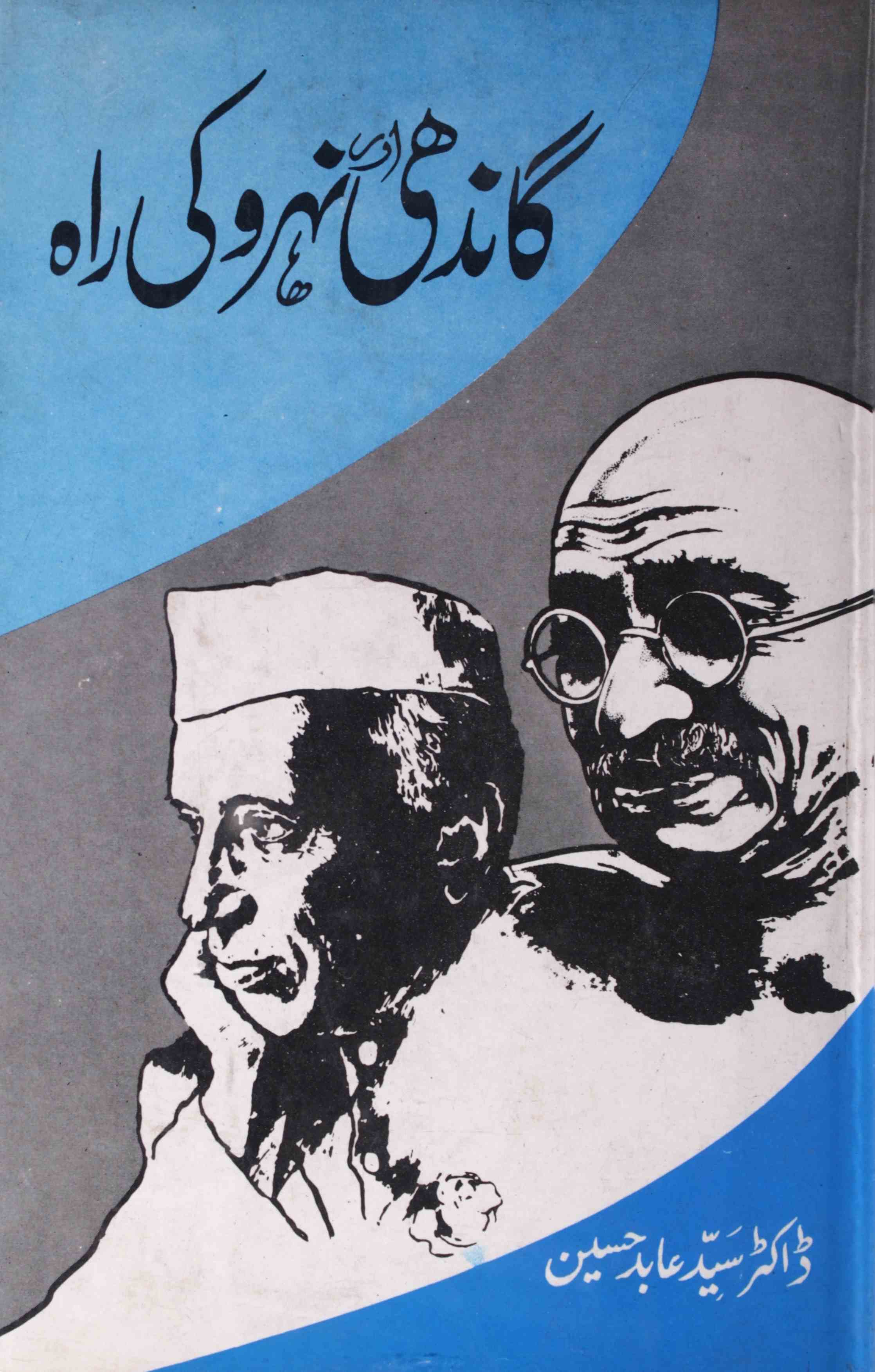
Translation was one of his greatest contributions. He introduced Urdu readers to major Western intellectual works through high-quality translations. His early translations included Goethe’s Faust, Bernard Shaw’s St. Joan, selected dialogues of Plato, Kant’s philosophical writings, and De Boer’s History of Philosophy in Islam. Later, his translations of Mahatma Gandhi and Jawaharlal Nehru became widely popular and firmly established his reputation among leading Urdu prose writers. He also devoted enormous effort to revising Maulvi Abdul Haq’s Standard English-Urdu Dictionary, a contribution for which he was never fully credited.
As a writer, he lived a disciplined, almost ascetic life devoted to letters. Though sociable and good-humored in select company, he preferred a reserved scholarly routine. He wrote slowly and carefully, searching for the exact word and precise expression. His prose is known for clarity, restraint, simplicity, and depth of meaning. Like a perfectionist, he spent years refining each book.
His most celebrated original work is The National Culture of India (in multiple volumes), a profound study of Indian civilization and composite culture. Its later abridged edition received the Sahitya Akademi Award in 1956 and became widely used in universities. His favorite themes included Indian cultural history, national identity, and the constructive role of Indian Muslims in public life.
He also served on the Official Language Commission and on India’s National Commission for Cooperation with UNESCO. In recognition of his intellectual services, he was awarded the Padma Bhushan by the President of India in 1957.
Sayyed Abid Hussain’s legacy rests on his cultural vision, refined prose, and bridge-building role between traditions. His economy of expression, emotional restraint, objectivity, and simplicity have made his writings a lasting model in modern Urdu and Indian intellectual history.
Death: 13 December 1978, Delhi.
For any query/comment related to this ebook, please contact us at haidar.ali@rekhta.org