 For any query/comment related to this ebook, please contact us at haidar.ali@rekhta.org
About The Book
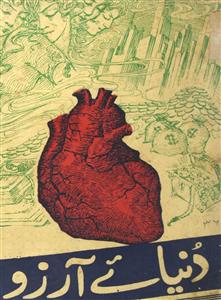
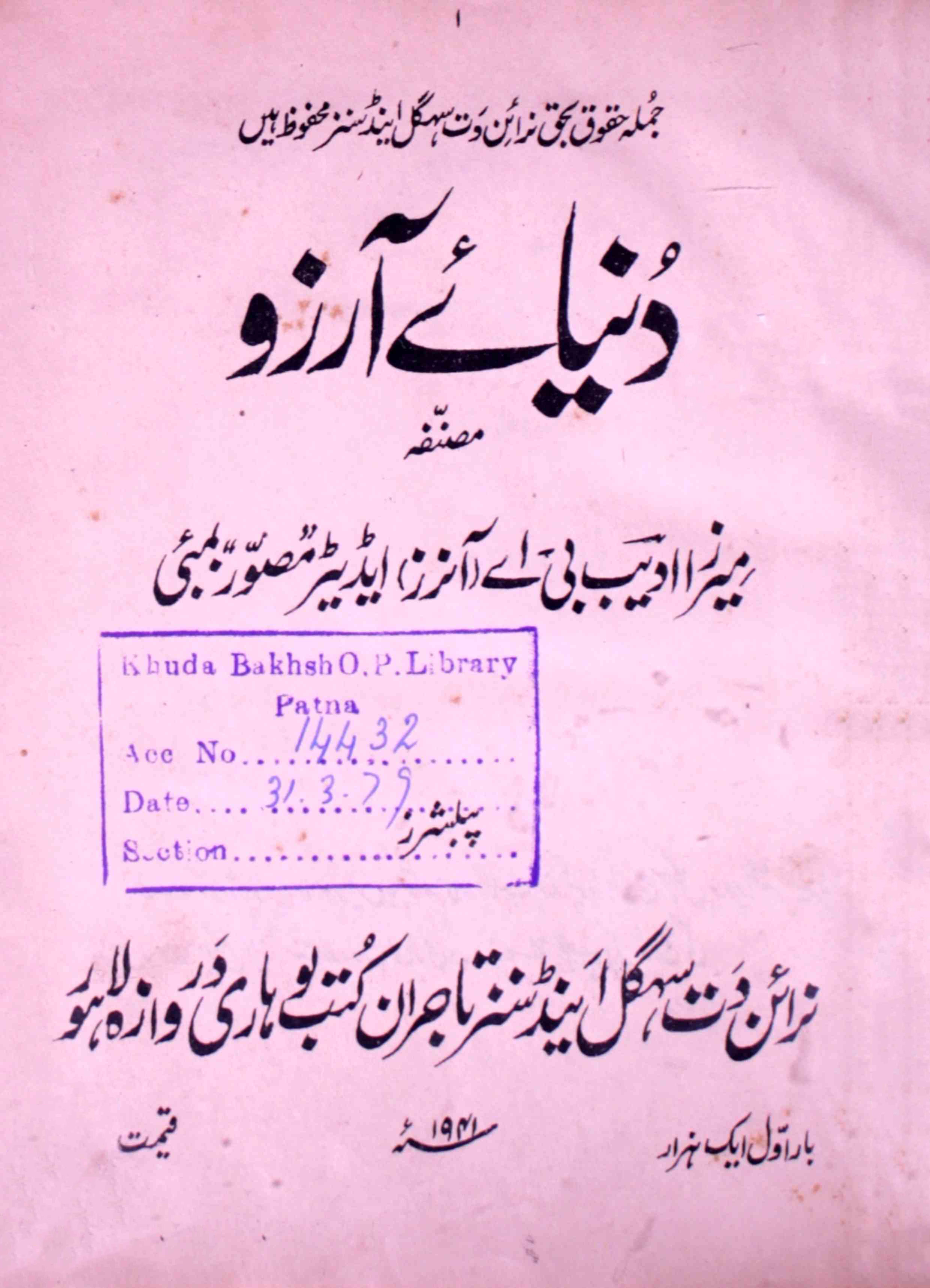
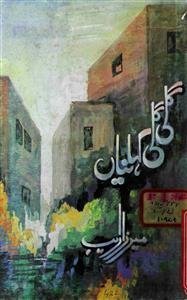
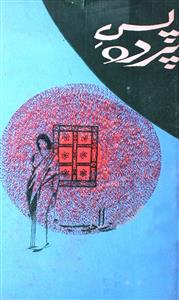
میرزا ادیب اپنے ڈراموں میں ایک سچے فنکار کی طرح زندگی کا بڑا گہرا اور پر خلوص مشاہدہ و مطالعہ کرتے ہیں۔ وہ انسانی اذیتوں کے اسباب و علل معلوم کرنے کی سعی کرتے ہیں اور پھر اپنے مشاہدات کو حیرت انگیز توازن و اعتدال کے ساتھ ڈرامائی پیکر میں ڈھال دیتے ہیں۔یہی وجہ ہے کہ ان کےڈرامے نہ تو پر جوش خطابت اور صحافت کےنمونے ہیں،نہ ہی تجریدی آرٹ کے تمثیلی مرقع۔ان کے ڈراموں میں معاشرتی حیثیت،نفسیاتی ردعمل کے مظاہر، نفسیاتی شعور، عورت کی نفسیات اور انسانی نفسیات کی رمز کشائی کا عمل اپنے زوروں پر دکھائی دیتا ہے۔وہ اِنسانی ذات کے پاتال میں اُتر کر اُس کی باطنی کش مکش اور تصادم کو دیکھنے کی صلاحیت رکھتے ہیں زیر نظر کتاب مرزا ادیب کا ’’آدم جی انعام یافتہ‘‘ آٹھ ڈراموں کا مجموعہ ہے جس میں گود، رحیلہ، ہمہ آفتاب است، کھڑکی، دستک، روشنی والا، شہید، دالان جیسے ڈرامے شامل ہیں۔ڈراما "کھڑکی" میں پچھتاوے کے نفسیاتی اثرات کو موضوع بنایا گیا ہے، اور"دستک"ضمیر کی آواز کا عمدہ اظہاریہ ہے۔
About The Author
Identity: Playwright, short story writer, editor, and popular children's author
Mirza Adeeb (real name: Dilawar Ali) was born on April 14, 1914, in Lahore. He received his entire education in Lahore and completed his B.A. from Islamia College, Lahore. From his student days, he had a strong literary inclination and began his creative journey with poetry. Initially, he used the pen names “Aasi” and later “Barq,” but eventually gained fame as “Mirza Adeeb.”
At the young age of 21, he took over as editor of the renowned literary magazine Adab-e-Lateef and elevated it to great prominence. He was also associated with Radio Pakistan Lahore for a long period.
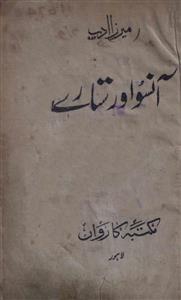
Mirza Adeeb’s literary reputation primarily rests on his one-act plays and short stories. His writings revolve around themes of human compassion, sacrifice, and kindness. His notable works include Aansoo aur Sitare, Lahoo aur Qaleen, Faseel-e-Shab, Sheeshe ki Deewar, Mitti ka Diya (autobiography), and Sehra Naward ke Khutoot.
He also made significant contributions to children’s literature, with works such as Nani Jaan ki Ainak, Tees Maar Khan, and Qaum ki Beti.
In addition, he wrote columns, literary criticism, and translations. His columns in Nawa-e-Waqt were widely appreciated by readers.
Death: He passed away on July 31, 1999, in Lahore.
For any query/comment related to this ebook, please contact us at haidar.ali@rekhta.org