 For any query/comment related to this ebook, please contact us at haidar.ali@rekhta.org
About The Author
Identity: Eminent Physician, Medical Researcher, Translator, and a great contributor to Unani medicine
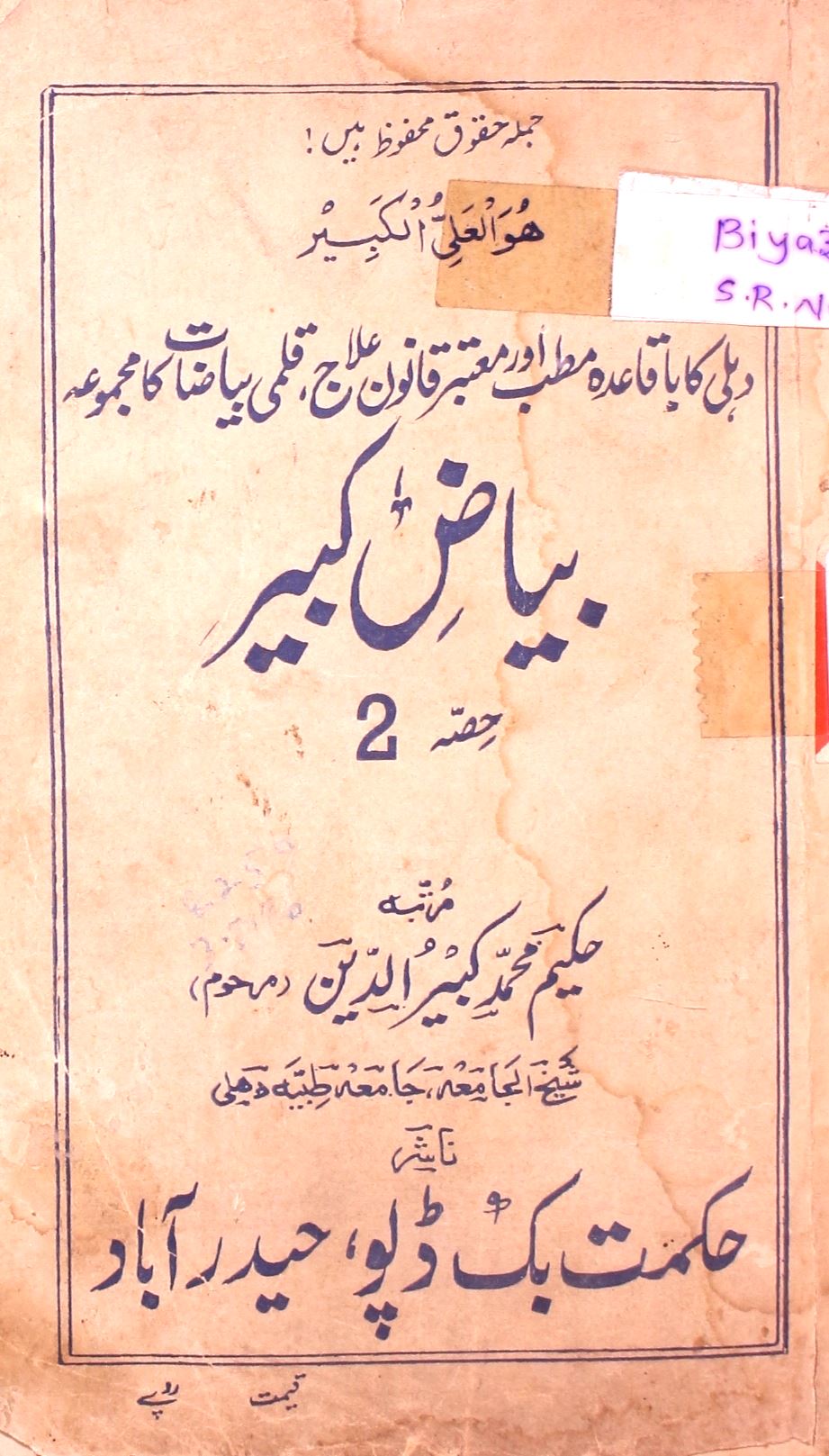
Hakim Muhammad Kabiruddin, popularly known as Masih-ul-Mulk, is counted among the most distinguished physicians of the Indian subcontinent who revitalized Unani medicine through teaching, research, and the translation of classical Arabic and Persian medical texts into Urdu. Owing to his scholarly services, Urdu emerged as a standardized and authoritative medium for medical education, and many of his works continue to be prescribed in the Bachelor of Eastern Medicine and Surgery (BEMS) curriculum even today.
Hakim Muhammad Kabiruddin was born on 13 April 1894 in Sheikhpura, district Munger, Bihar, into an academic family. After completing his early education, he studied for some time at Canning College, Lucknow (now Lucknow University). He later moved to Kanpur, where he acquired education in Arabic literature, rational sciences, and transmitted sciences under Maulana Ahmad Hasan Kanchvi.
In 1909, he enrolled at Madarsa Tibbiya, Gali Qasim Jan, Delhi, where he studied medicine under eminent physicians Hakim Abdul Majeed Khan and Hakim Muhammad Ajmal Khan. He completed his medical training in 1911 and obtained the degree of “Zubdat-ul-Hukama” from Tibbiya College, Lahore in 1914.
On the advice of Hakim Ajmal Khan, Hakim Kabiruddin undertook the monumental task of translating the Arabic medical curriculum into Urdu so that medical education could become more accessible and effective. For this purpose, he established Daftar-ul-Masih in Karol Bagh, Delhi, and launched a medical journal titled Al-Masih, which became an influential platform for the promotion of Unani medicine. His translations are marked by accuracy of meaning, clarity of style, and fidelity to classical medical tradition, thereby laying a strong foundation for the relationship between Unani medicine and the Urdu language.
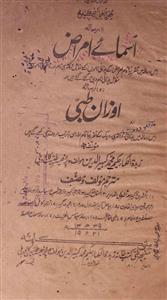
Hakim Kabiruddin authored, compiled, and edited nearly 80 medical works. His major translations include Tarjuma-e-Mujaz-ul-Qanun, Tarjuma-e-Sharh Asbab-o-Alamat, Tarjuma-e-Kulliyat-e-Qanun (with Arabic text), Tarjuma-e-Ta‘limat-e-Nafisi, and Tarjuma-e-Himyat-e-Qanun.
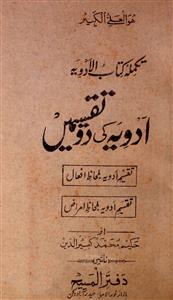
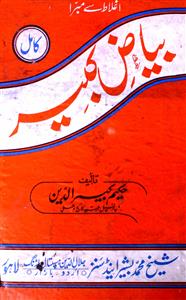
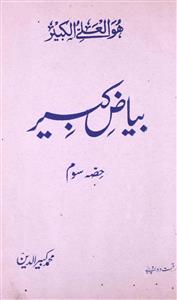
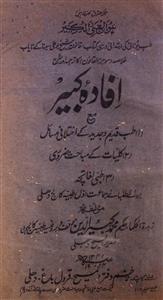
In addition, works such as Ifada-e-Kabir (concise and detailed), Kitab-ut-Tashkhis, Kitab-ul-Adviya Takmila, Bayaz-e-Kabir, Manafi-e-Kabir, Risala-e-Nabz, Tashreeh-e-Sagheer, Tashreeh-e-Kabir, Lughat-e-Kabir, and Farhang-e-Tibbi, along with numerous medical journals, gave Urdu medical literature scholarly rigor and permanence.
He also contributed to the Urdu translation of modern medical texts. At the Department of Compilation and Translation, Osmania University, Hyderabad, he worked alongside Dr. Ashraf-ul-Haq Hyderabadi on the Urdu translation of Gray’s Anatomy, marking a significant milestone in the development of modern medical education in Urdu.
In recognition of his exceptional scholarly services, the Nizam of Hyderabad conferred upon him the title “Shahenshah-e-Tasaneef” (Emperor of Medical Authorship). In 2019, the Government of India honored his lasting contributions to traditional medicine by issuing a commemorative postage stamp in his name.
Hakim Muhammad Kabiruddin’s intellectual legacy successfully bridged classical Unani medicine with the modern age and firmly established Urdu as a language of medical instruction—an achievement that stands as his most enduring contribution.
Death: He passed away on 9 January 1976 at Balli Maran, Delhi.
For any query/comment related to this ebook, please contact us at haidar.ali@rekhta.org