 For any query/comment related to this ebook, please contact us at haidar.ali@rekhta.org
About The Book
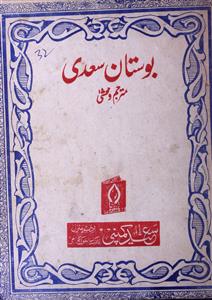
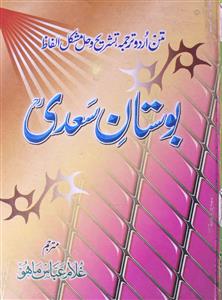
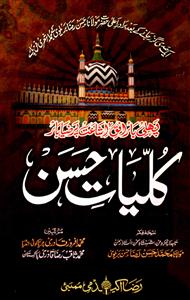
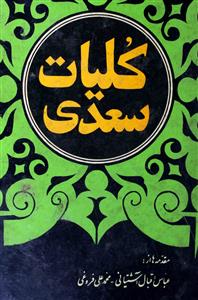
کلیات سعدی میں شیخ سعدی ؒ کا سارا کلام موجود ہے ،چاہے وہ نظم ہو یا نثر یا پھر عربی اور فارسی کلام ، اس کلیات کو شیخ سعدی کی وفات کے 42 سال بعد جمع کیا گیا تھا جس کی ترتیب کچھ اس طرح ہے، کہ سب سے پہلے چند مختصر رسالے ہیں جن میں سلوک اور تصوف کے مضامین اور مشائخ کی حکایتیں اور حکام کے لئے نصیحتیں ہیں ، دوسرے نمبر پر گلستاں، تیسرے نمبر پر بوستاں، چوتھے پر پند نامہ، جس کو زیادہ تر کریما کے نام سے یاد کیا جاتا ہے،پانچویں فارسی قصائد ہیں جن قصائد میں مرثیے، ملمعات، مثلثات اور ترجیعات شامل ہیں ، چھٹے نمبر پر عربی قصائد ، ساتویں نمبر پر غزلیات کا پہلا دیوان ، آٹھویں میں دوسرا دیوان ، نویں نمبر پر تیسراں دیوان اور دسویں نمبر پر وہ غزلیات پیش کی گئیں ہیں جن کو غزلیات قدیم کے نام سے جانا جاتا ہے اور کہا جاتا ہے یہ وہ غزلیات ہیں جو شیخ سعدیؒ نے عنفوان شباب میں کہی تھیں۔ گیارہویں نمبر پر شیخ سعدی کے قطعات ، مثنویات، رباعیات اور مفردات کو پیش کیا گیا ہے۔
About The Author
Identity: A great Persian poet, prose writer, and a representative figure of ethical and Sufi literature
Sheikh Saadi’s given name was Sharaf al-Din, his title Muslih al-Din, and “Saadi” was his pen name. This pen name is linked to Atabeg Saad ibn Zangi, the ruler of Shiraz, in whose court Saadi’s father served.
Saadi was born in 1210 in the city of Shiraz, Iran, and hence the suffix “Shirazi” became part of his name. His father died in his childhood, ending his life of comfort, though the family was financially stable.
For education, he traveled to Baghdad and enrolled in the renowned Nizamiyya Madrasa, where great scholars taught and students received stipends. Although Shiraz was also a center of learning, Nizamiyya was considered an international institution of its time.
After completing his studies, Saadi undertook long journeys to Syria, Egypt, Iraq, Anatolia, Jerusalem, Mecca, and Medina. He visited major cities, observed cultures and markets, enjoyed fine arts, and met scholars and artists. After nearly thirty years of travel, he returned to Iran.
In 1257 he came back to Shiraz and completed his book Bustan, compiling his writings into book form. He received a grand welcome on his return and spent most of his remaining life in Shiraz devoted to poetry.
His famous works Bustan and Gulistan are classics. Bustan is in verse, presenting moral, religious, and Sufi values, while Gulistan is in prose, consisting of short tales rich in wisdom and insight.
Saadi’s outlook was dervish-like. He disliked worldly excess, revealed deep truths through simple incidents, and portrayed human nature with subtlety. Morality, wisdom, and humanism form the core of his literature.
Death: He passed away in 1292 in Shiraz.
For any query/comment related to this ebook, please contact us at haidar.ali@rekhta.org