 For any query/comment related to this ebook, please contact us at haidar.ali@rekhta.org
About The Book
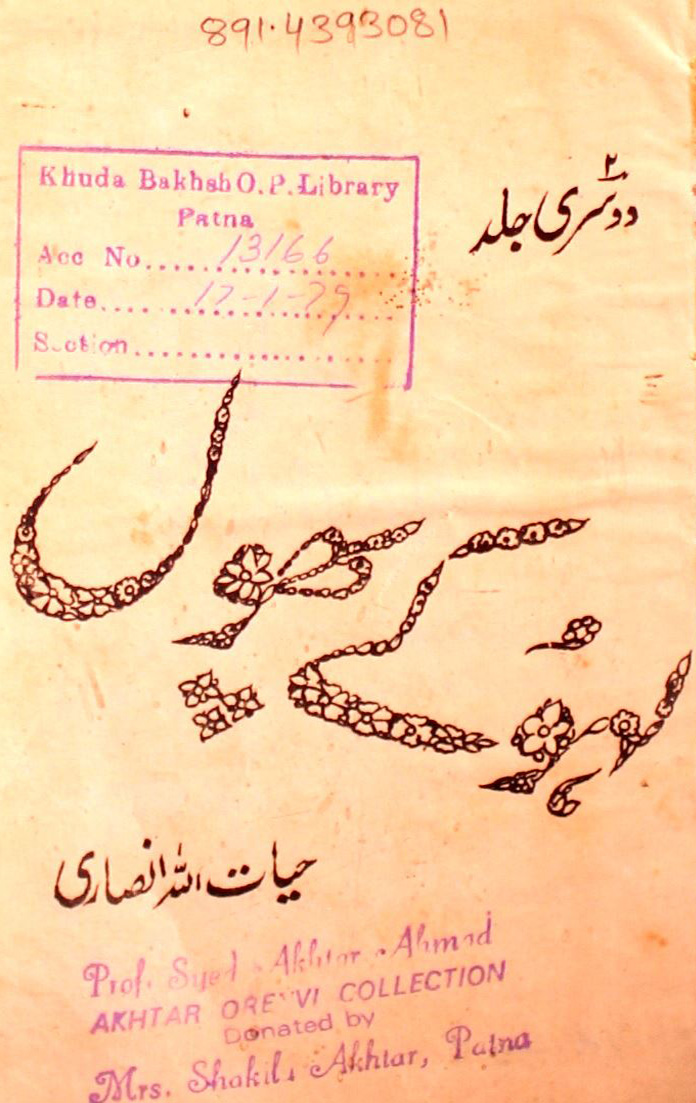
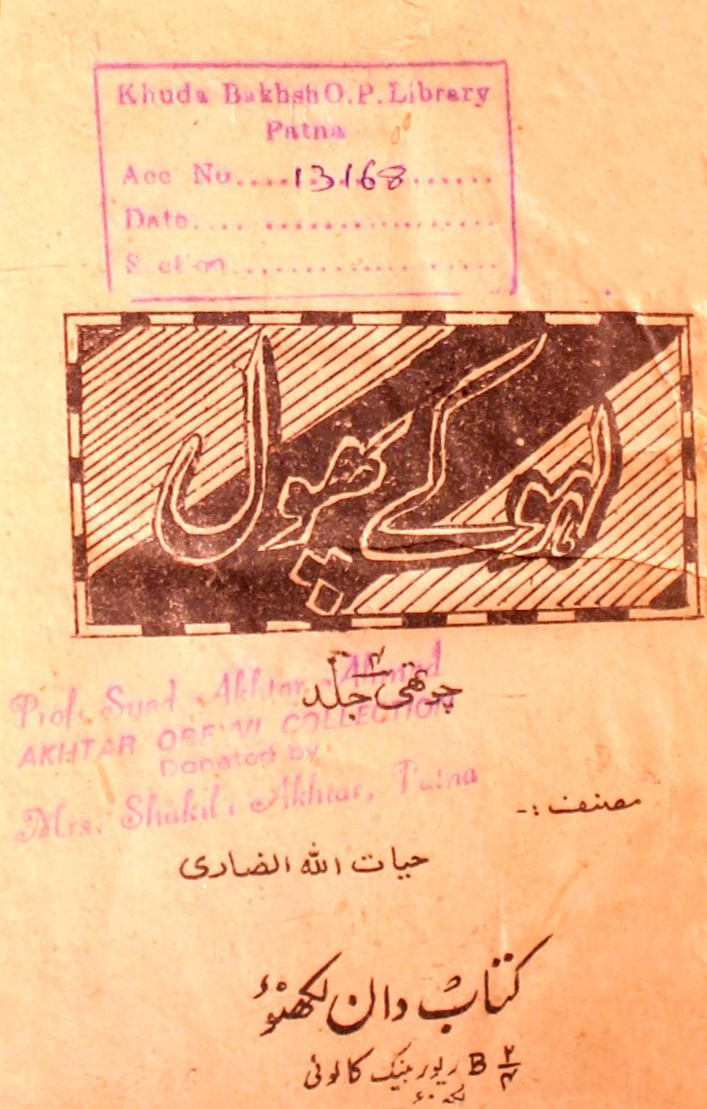
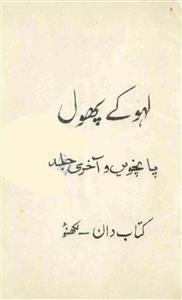
"لہو کے پھول" نہ صرف حیات اللہ انصاری کا تحریر کردہ طویل ناول ہے، بلکہ اردو کا بھی سب سے طویل ناول ہے۔ حیات اللہ انصاری نے اس ناول میں اس بات کو بیان کیا ہے کہ ملک کے اندر خودداری کی بیداری کیسے پیدا ہوئی، مطالبہ آزادی نے کس طرح زور پکڑا، خود مختاری کی آواز کس طرح اٹھی اور کن حالات میں انگریزوں کے خلاف طبل جنگ بجا، اہل ملک کس طرح متحد ہوئے پھر دو قومی نظریوں کا وجود ہوا، آزادی کے متوالوں کے نعرے، پولیس کی دھڑپکڑ، خلافت تحریک سمیت تحریک آزادی کے تمام چھوٹے بڑے واقعات و سرگرمیوں کی منظرکشی کی گئی ہے۔اس ناول کی اہمیت پر روشنی ڈالتے ہوئے کرشن چندر نے لکھتے ہیں"لہو کے پھول ایک ایسا ناول ہے، ایک ایسا ادبی دستاویز ہے جو حیات اللہ انصاری کے جادو رقم قلم کا اعلیٰ نمونہ ہے اور ہمارے اردو زبان کے کامیاب ترین ناولوں میں اس کا شمار ہوگا۔ بلاشبہ یہ ایک ایسا کارنامہ ہے جو ادبی شاہکار کی شکل میں مدتوں مشعل راہ بن کر جیئے گا اور ماضی و حال کو سمیٹے ہوئے ہمارے آنے والے مستقبل کی راہ نمائی بھی کرے گا۔ اس ناول میں اس طوفانی رات کا ذکر ہے جسے ہم انگریزوں کی غلامی سے تعبیر کرتے ہیں۔ اس طوفانی اندھیاری میں کوری جد و جہد کا کوندا بار بار لپکتا ہے اور ہمیں اس منزل کے قریب لے کر آتا ہے جس کی تعبیر ہم نے اپنے سینوں میں رکھی ہے۔ یہ "لہو کے پھول" عوام نے اپنی شہ رگ سے کھلائے ہیں۔"یہ ناول پانچ جلدوں پر مشتمل تقریبا 2600 صفحات پر محیط ہے۔ زیر نظر جلد پنجم ہے۔
About The Author
Identity: Renowned Fiction Writer, Journalist, Politician, and Progressive Author
Hayatullah Ansari was born on May 11, 1911 (according to his family, his date of birth is May 1, 1901) at Firangi Mahal, Lucknow. His father was Maulvi Waheedullah Ansari. He received his early education in the scholarly environment of Firangi Mahal and obtained a degree in Eastern Studies (Uloom-e-Sharqiya). Later, he earned his Bachelor of Arts (B.A.) degree from Aligarh Muslim University. During his student days, he was inspired by the Progressive Writers' Movement, and later, he also came under the deep influence of Gandhian philosophy.
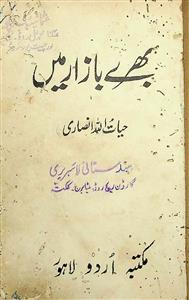
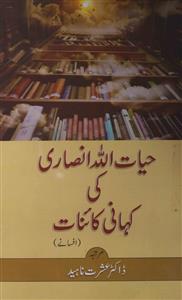
Hayatullah Ansari is counted among the most eminent short story writers and novelists of Urdu literature. His short story collections, "Anokhi Musibat", "Bhare Bazar Mein", and "Shikasta Kagure" achieved immense fame. His short story, "Aakhri Koshish", is considered one of the milestones of Urdu fiction. His stories vividly capture social realism, human suffering, class struggles, and psychological complexities. Dr. Ishrat Naheed published a complete collection of his short stories under the title "Hayatullah Ansari Ki Kahani Kainat" (The Story Universe of Hayatullah Ansari).
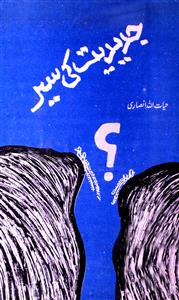
Beyond short fiction, he penned a monumental five-volume historical novel, "Lahoo Ke Phool" (1969). Set against the backdrop of the first half of the twentieth-century British India, the freedom struggle, the Khilafat movement, and the lives of peasants and laborers, this masterpiece was honored with the prestigious Sahitya Akademi Award. Additionally, "Madaar" and "Gharonda" are his famous novellas (novelettes). He also authored a significant book on the subject of modernism, titled "Jadeediyat Ki Sair".
His contributions to the field of journalism are equally outstanding. He served as the long-standing editor of the daily newspaper 'Qaumi Awaz', giving new dimensions to Urdu journalism. He was also a Member of the Rajya Sabha (Parliament) and held the office of Deputy Chairman of the Bureau for Promotion of Urdu, Government of India. The University of Morocco also conferred an honorary doctorate upon him.
Hayatullah Ansari is remembered among those literary figures who seamlessly integrated progressive thought, Gandhian humanism, and social awareness into their literature. His contributions to Urdu fiction and journalism will always be remembered.
Death: Hayatullah Ansari passed away on February 18, 1999, in Lucknow.
For any query/comment related to this ebook, please contact us at haidar.ali@rekhta.org