 For any query/comment related to this ebook, please contact us at haidar.ali@rekhta.org
About The Author
Identity: Russian revolutionary writer, novelist, playwright, and pioneer of Socialist Realism
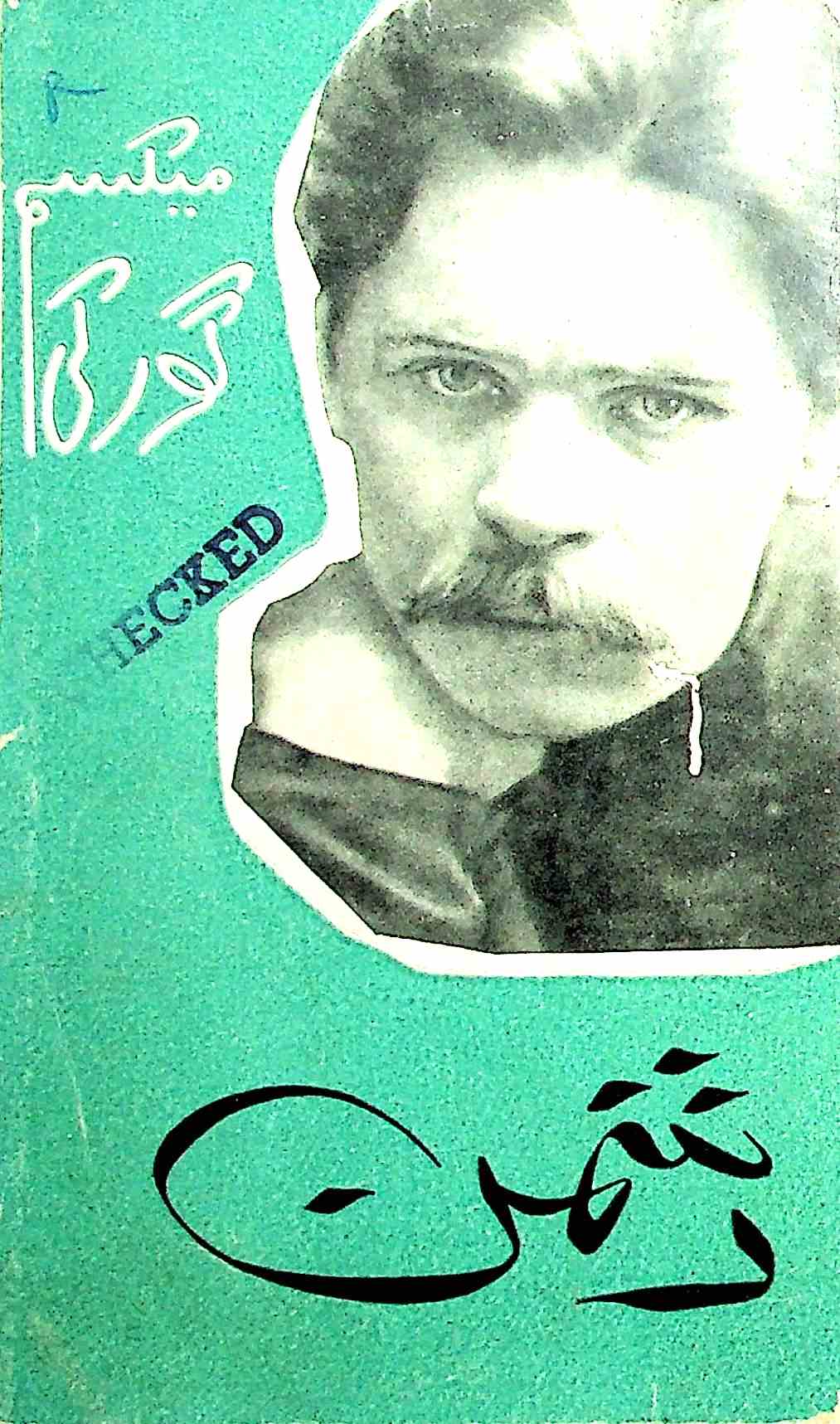
Maxim Gorky (original name: Alexei Maximovich Peshkov) was born on 28 March 1868 in Nizhny Novgorod, Russian Empire. He is regarded as one of the greatest figures of Russian and world literature who gave voice to the oppressed, deprived, and working classes through his writings. The pen name “Gorky” means “bitter” in Russian, symbolizing his desire to portray the bitter realities of Russian society.
Gorky’s early life was marked by poverty, deprivation, and constant struggle. His father died when he was very young, after which he was raised in his grandfather’s house. The harsh temperament and financial difficulties of his grandfather deeply influenced his personality, while the affection and stories of his grandmother nurtured his imagination and humanistic outlook. His mother remarried but soon died of tuberculosis, forcing Gorky into labor at an early age. He worked in a shoe shop, on river steamers, and in various manual jobs. These harsh experiences later shaped the realism, social awareness, and compassion found in his writings.
Although opportunities for formal education were limited, his passion for reading continued to grow. A cook on a riverboat encouraged him to read and learn. Later, exposure to literary circles deepened his interest in literature. During his youth, he wandered through different regions of Russia, closely observing the lives of workers, peasants, and ordinary people. These experiences became the foundation of his early stories and novels.
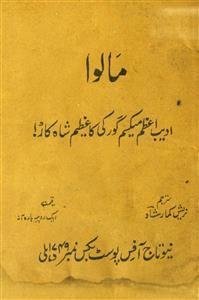
In 1892, his first story, Makar Chudra, was published, bringing him early literary recognition. His collection of stories published in 1898 earned him immense popularity throughout Russia. His early works vividly portrayed the lives of the poor, laborers, and homeless people of Russian society. Stories such as Chelkash, Companions, and Malva are representative works of this period.
As his literary fame grew, so did his political involvement. Influenced by Karl Marx and socialist ideas, Gorky became associated with revolutionary circles in Russia. Much of his income was spent supporting revolutionary activities and spreading socialist thought. In 1902, he was elected to the Imperial Academy, but the Tsarist government annulled the decision. In protest, Anton Chekhov resigned from the Academy as well.
During the Russian Revolution of 1905, Gorky was arrested, but widespread protests across Europe forced the government to release him. After the failure of the revolution, he traveled to the United States via Finland. Although he initially received a grand welcome in America, controversy surrounding his personal life led to public disapproval. He later settled on the Italian island of Capri, where he wrote several important works.
During the Russian Revolution of 1917, Gorky supported the revolutionary movement but remained critical of certain harsh Bolshevik policies, censorship, and political repression. He represented the intellectual who sympathized with revolution while refusing to compromise on freedom of thought and human values.
Gorky was not only a novelist but also a great playwright and journalist. His famous play The Lower Depths presents a powerful portrayal of the misery and dignity of society’s underclass. His novel Mother (1906) is considered a classic of revolutionary literature and profoundly influenced progressive movements around the world.
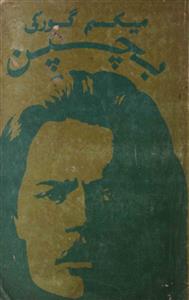
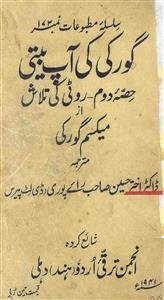
His autobiographical trilogy — My Childhood, In the World, and My Universities — is regarded among the finest autobiographical works in Russian literature. In these books, he vividly described his hardships, intellectual growth, and the realities of Russian society.
In 1934, Maxim Gorky became the first chairman of the Union of Soviet Writers and remained in that position until his death. The Soviet government recognized him as a leading figure of “Socialist Realism,” though his relationship with the authorities remained complex.
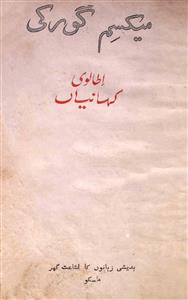
Among Gorky’s notable works are Mother, My Childhood, In the World, My Universities, The Birth of a Man, Italian Tales, and Three Men. His writings inspired revolutionary thought, labor movements, and ideals of human freedom across the globe.
Death: Maxim Gorky died near Moscow on 18 June 1936. His death was widely mourned in literary and revolutionary circles around the world.
For any query/comment related to this ebook, please contact us at haidar.ali@rekhta.org