 For any query/comment related to this ebook, please contact us at haidar.ali@rekhta.org
About The Book
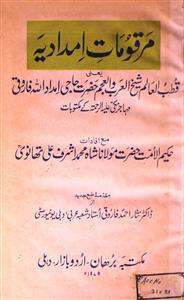
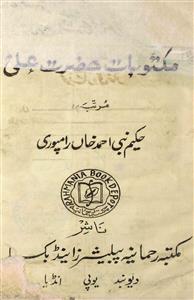
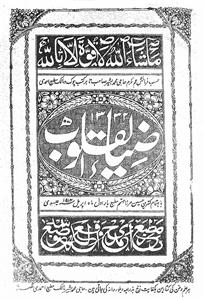
حاجی امداد الله مہاجر مکی کا شمار برصغیر ہندو پاک میں اہلسنت مسلمانوں، خاص طور پر دیوبندی مسلک کے اکابرین میں ہوتا ہے۔ دیوبندی مسلک کے بعض دیگر اکابرین اور علما کے تکفیری اور نیم وہابی نظریات کے برعکس حاجی امداد الله مکی اپنے نظریات اور افکار میں انتہائی اعتدال پسند اور محبت کرنے والے عالم دین تھے۔ حاجی صاحب مسلک کے اعتبار سے اہلسنت حنفی تھے اور مشرب کے لحاظ سے صوفی تھے۔آپ نے علم دین اور تصوف پر تقریباً دس کتب، جہاد اکبر، گلزار معرفت، مرقومات امدایہ، مکتوبات امدادیہ، درنامہ غضب ناک، ضیاء القلوب، تصنیف کیں۔ زیر نظر کتاب "ضیاء القلوب" حاجی صاحب کا لکھا ہوا مشہور و معروف رسالہ ہے جو سلوک وتصوف کے مضامین اور سالکین کے لیے اوراد و وظائف کے طریقوں پر مشتمل ہے۔
About The Author
Identity: Great Sufi saint, spiritual mentor of the Deobandi scholars, leader in the Indian freedom struggle (Battle of Shamli, 1857), and renowned as “Muhajir Makki”
Haji Imdadullah Muhajir Makki was born on 22 Safar 1233 AH (1817 CE) in Nanota, district Saharanpur, Uttar Pradesh. He belonged to the Farooqi lineage, and his ancestry is traced back to the famous Sufi saint Ibrahim ibn Adham. His father’s name was Muhammad Amin. After losing his mother at an early age, he pursued Persian, Arabic, and Islamic sciences with remarkable dedication and personal interest. He later traveled to Delhi, where he studied Hadith, Qur’anic exegesis, and jurisprudence under the leading scholars of the time.
In the path of Sufism, he received special spiritual guidance from Hazrat Mian Ji Noor Muhammad Jhanjhanawi. He pledged allegiance to him and, after years of spiritual discipline and devotion, was granted khilafat. He is regarded as one of the greatest masters of the Chishti Sabiri Imdadi order. Known as the “mentor of mentors,” he emphasized both outward religious knowledge and inner spiritual purification.
In 1844, he performed Hajj and later returned to Thanabhawan, where he began his mission of spiritual guidance and reform. Thousands became associated with him. Among his distinguished disciples and successors were Maulana Muhammad Qasim Nanotvi, Maulana Rashid Ahmad Gangohi, Maulana Ashraf Ali Thanwi, Shaykh al-Hind Mahmud Hasan, Maulana Husain Ahmad Madani, and Maulana Muhammad Ilyas Kandhlawi.
He also played a significant role in the Indian uprising of 1857. His companions actively participated in the Battle of Shamli against British rule. Following British persecution and arrests, he migrated from India in 1859 and settled permanently in Makkah, earning the title “Muhajir Makki.”
In Makkah, his khanqah became a major center of Islamic learning and spirituality. Scholars, Sufi masters, and seekers from various countries came to benefit from his spiritual teachings. He had a deep love for Rumi’s Mathnawi and continued teaching it until his final days.
Haji Imdadullah authored several influential works on Sufism and spiritual reform, including Zia-ul-Quloob, Gulzar-e-Ma‘rifat, Marqoomat-e-Imdadiya, Maktoobat-e-Imdadiya, Faisla-e-Haft Mas’ala, Jihad-e-Akbar, and Dardnama. His writings are marked by simplicity, spirituality, and reformative insight.
He is regarded as a central inspiration behind the religious, educational, and reformist movements of the nineteenth century. His influence is clearly visible in the establishment of Darul Uloom Deoband, as well as in later reformist and spiritual movements.
Death: Haji Imdadullah Muhajir Makki passed away in 1317 AH (1899 CE) in Makkah.
For any query/comment related to this ebook, please contact us at haidar.ali@rekhta.org