 For any query/comment related to this ebook, please contact us at haidar.ali@rekhta.org
About The Book
اردو تحقیق وتنقید کی روایت میں رشید حسن خاں کے کاموں کی نوعیت بہت مختلف ہے۔انہوں نے کلاسیکی متون کی ترتیب میں جن نئی جہتوں کااضافہ کیا ہے ان سے متعلقہ متن اپنے عہد کی کل صورتحال کے ساتھ سامنے آجاتا ہے۔’’باغ وبہار‘‘ اور’’مثنوی گلزار نسیم ‘‘کے مرتبہ متن کو دیکھنے ہی سے رشید حسن خاں کے گہرے تحقیقی شعوراور وسیع تر لسانی آگہی کا اندازہ ہوتاہے۔ان متون کی ترتیب میں بھی رشید حسن خاں کی دلچسپی کا محورزبان اس کا متنوع معنیاتی کرداراور اس کے املا کی ادلتی بدل صورتیں رہی ہیں ۔’’اردو املا‘‘زبان کی تحریری صورتوں سے ان کی اسی دلچسپی کا نتیجہ ہے۔ رشید حسن خاں نے اس کتاب میں پہلی بار املا کے مسائل کو سنجیدہ علمی مطالعے کا موضوع بنایا ہے۔اس کتاب کا مطالعہ ان سب لوگوں کی ضرورت ہے جو زبان وادب کے معاملات سے وابستگی رکھتے ہیں ۔کتاب پڑھئے اور اپنے اتفاقات واختلافات درج کیجئے۔
About The Author
Identity: Researcher, Editor, Critic, Expert on Orthography, Guide in Language and Grammar
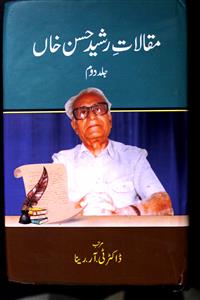
Rashid Hasan Khan was born on 25 December 1925 in Shahjahanpur. His father’s name was Amir Hasan and his grandfather was Ali Hasan. He received his early education at Madrasah Bahr-ul-Uloom and began his literary career in 1944.
Rashid Hasan Khan is counted among those towering and rare intellectual figures of Urdu language and literature who, through silence, perseverance, and selfless dedication, laid a strong and systematic foundation for Urdu research, textual editing, orthography, and criticism. Despite not having formal school or college education, he achieved an exceptional position in Urdu literature solely through traditional Eastern learning and rigorous self-study—a distinction attained by only a few over centuries.
He began his professional life at the Ordnance Clothing Factory in Shahjahanpur, but it was during this period that his literary and intellectual inclinations flourished. As a result of extensive reading, he published his first scholarly article at the young age of twenty-five, thereby establishing his serious academic presence in the Urdu literary world.
Rashid Hasan Khan holds a position of authority particularly in the fields of Urdu orthography, language, expression, and grammar. His books Urdu Imla (Urdu Orthography) and Zaban aur Qawaid (Language and Grammar) are regarded as foundational and authoritative works in this domain. His orthographic principles were accepted by major publishing houses, academies, and literary organizations in both India and Pakistan, and they continue to be followed even today.
He was an uncompromising critic. His critical reviews of poets, writers, and literary movements stand as exemplary models of evaluating language and style. Through his meticulous editing of classical texts, he preserved and presented the invaluable heritage of Urdu literature in reliable and authentic form. His notable editorial works include Bagh-o-Bahar, Fasana-e-Ajaib, Masnavi Sehr-ul-Bayan, Gulzar-e-Naseem, Diwan-e-Hali, and several other classical texts.
Death: Rashid Hasan Khan passed away in 2006.
For any query/comment related to this ebook, please contact us at haidar.ali@rekhta.org