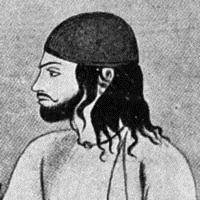
Momin Khan Momin
Ghazal 51
Sher-o-Shayari 67
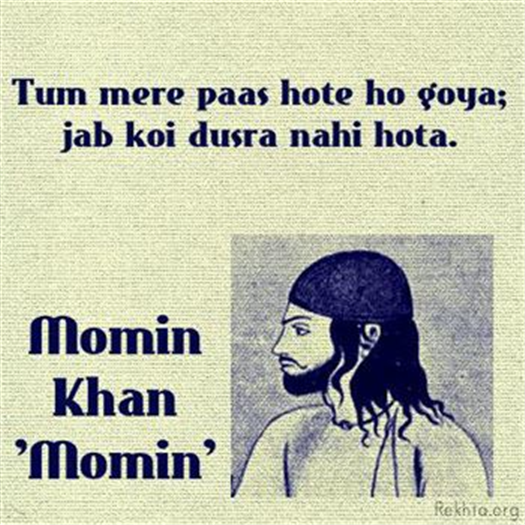
tum mire paas hote ho goyā
jab koī dūsrā nahīñ hotā
in such a manner are you close to me
when no one else at all there ever be
Interpretation:
Rekhta AI
The couplet ties the beloved’s “presence” to the speaker’s solitude: when the world is absent, the beloved becomes vividly near. “As if” signals that this closeness may be imagined—born from memory and longing rather than physical meeting. Emotional comfort arises, but it also exposes how deeply loneliness depends on that one person.
tum mere pas hote ho goya
jab koi dusra nahin hota
in such a manner are you close to me
when no one else at all there ever be
Interpretation:
Rekhta AI
The couplet ties the beloved’s “presence” to the speaker’s solitude: when the world is absent, the beloved becomes vividly near. “As if” signals that this closeness may be imagined—born from memory and longing rather than physical meeting. Emotional comfort arises, but it also exposes how deeply loneliness depends on that one person.
'umr saarī to kaTī 'ishq-e-butāñ meñ 'momin'
āḳhirī vaqt meñ kyā ḳhaak musalmāñ hoñge
Momin all your life in idol worship you did spend
How can you be a Muslim say now towards the end?
Interpretation:
Rekhta AI
The couplet is a sharp confession of wasted life and a fear of ending badly. “Ishq-e-butan” symbolizes attachment to worldly charms that distract from faith. The poet mocks his own last-minute hope of piety, suggesting that a lifetime of misdirected love cannot be undone at death’s door. Its emotional core is regret mixed with self-judgment.
'umr sari to kaTi 'ishq-e-butan mein 'momin'
aaKHiri waqt mein kya KHak musalman honge
Momin all your life in idol worship you did spend
How can you be a Muslim say now towards the end?
Interpretation:
Rekhta AI
The couplet is a sharp confession of wasted life and a fear of ending badly. “Ishq-e-butan” symbolizes attachment to worldly charms that distract from faith. The poet mocks his own last-minute hope of piety, suggesting that a lifetime of misdirected love cannot be undone at death’s door. Its emotional core is regret mixed with self-judgment.
tum hamāre kisī tarah na hue
varna duniyā meñ kyā nahīñ hotā
your love by any means I could not gain
Or else in life what would not one attain
Interpretation:
Rekhta AI
The speaker laments that despite every effort, the beloved did not accept the relationship. The second line uses a rhetorical question to say that almost everything is possible in the world—yet this one wish failed. It conveys helplessness before fate and the sharp ache of unfulfilled love. The contrast between “everything” and “this one thing” intensifies the regret.
tum hamare kisi tarah na hue
warna duniya mein kya nahin hota
your love by any means I could not gain
Or else in life what would not one attain
Interpretation:
Rekhta AI
The speaker laments that despite every effort, the beloved did not accept the relationship. The second line uses a rhetorical question to say that almost everything is possible in the world—yet this one wish failed. It conveys helplessness before fate and the sharp ache of unfulfilled love. The contrast between “everything” and “this one thing” intensifies the regret.
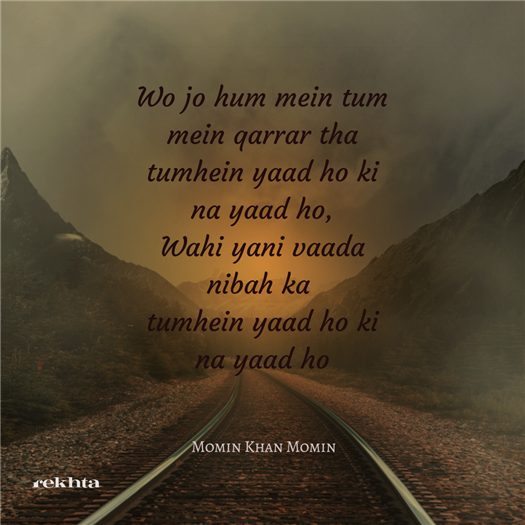
vo jo ham meñ tum meñ qarār thā tumheñ yaad ho ki na yaad ho
vahī yaanī va.ada nibāh kā tumheñ yaad ho ki na yaad ho
the love that 'tween us used to be, you may, may not recall
those promises of constancy, you may, may not recall
Interpretation:
Rekhta AI
The speaker addresses the beloved with a restrained ache, asking whether they still recall the old mutual bond. “Qarar” suggests an agreed, steady relationship, and “wada nibah” is the pledge of loyalty. By repeating “remember or not,” the poet conveys uncertainty, hurt, and quiet accusation: forgetting itself becomes a form of betrayal. The couplet turns memory into a test of love and commitment.
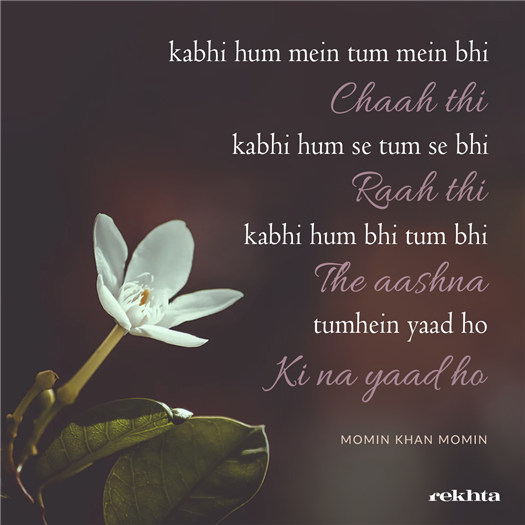
wo jo hum mein tum mein qarar tha tumhein yaad ho ki na yaad ho
wahi yani wada nibah ka tumhein yaad ho ki na yaad ho
the love that 'tween us used to be, you may, may not recall
those promises of constancy, you may, may not recall
Interpretation:
Rekhta AI
The speaker addresses the beloved with a restrained ache, asking whether they still recall the old mutual bond. “Qarar” suggests an agreed, steady relationship, and “wada nibah” is the pledge of loyalty. By repeating “remember or not,” the poet conveys uncertainty, hurt, and quiet accusation: forgetting itself becomes a form of betrayal. The couplet turns memory into a test of love and commitment.
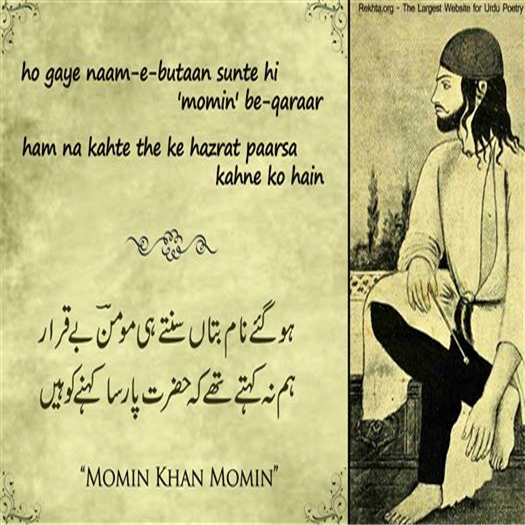
thī vasl meñ bhī fikr-e-judā.ī tamām shab
vo aa.e to bhī niiñd na aa.ī tamām shab
Interpretation:
Rekhta AI
The couplet shows how love’s fear can survive even its fulfillment: union does not erase the dread of parting. The lover’s mind keeps anticipating loss, so peace never arrives. That anxious expectation becomes so strong that even the beloved’s presence cannot bring sleep.
thi wasl mein bhi fikr-e-judai tamam shab
wo aae to bhi nind na aai tamam shab
Interpretation:
Rekhta AI
The couplet shows how love’s fear can survive even its fulfillment: union does not erase the dread of parting. The lover’s mind keeps anticipating loss, so peace never arrives. That anxious expectation becomes so strong that even the beloved’s presence cannot bring sleep.
Rubai 4
BOOKS 46


Videos 29
Playing videos from section
Other












Audios 15
asar us ko zaraa nahii.n hotaa
asar us ko zaraa nahii.n hotaa
diida-e-hairaa.n ne tamaashaa kiyaa
RELATED Poets
-
 Shad Lakhnavi
Contemporary
Shad Lakhnavi
Contemporary
-
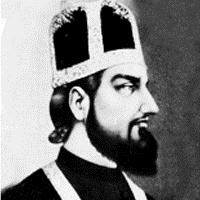 Shaikh Ibrahim Zauq
Contemporary
Shaikh Ibrahim Zauq
Contemporary
-
Mufti Sadruddin Aazurda
Contemporary
-
 Taashshuq Lakhnavi
Contemporary
Taashshuq Lakhnavi
Contemporary
-
Taskeen Dehlavi
Disciple
-
Taskeen Dehlavi
Contemporary
-
Lala Madhav Ram Jauhar
Contemporary
-
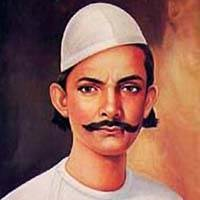 Meer Anees
Contemporary
Meer Anees
Contemporary
Similar Poets
-
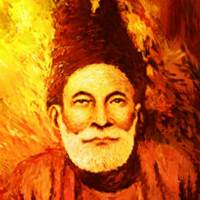 Mirza Ghalib
-
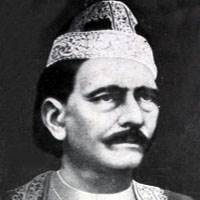 Insha Allah Khan Insha
-
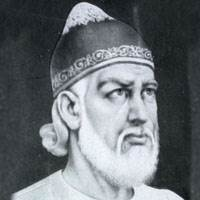 Mushafi Ghulam Hamdani
-
 Abdul Rahman Ehsan Dehlvi
-
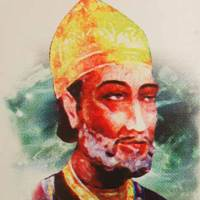 Shah Naseer
-
 Haidar Ali Aatish
-
 Syed Yusuf Ali Khan Nazim
-
 Bahadur Shah Zafar
-
Shaikh Ibrahim Zauq
-
Meer Kallu Arsh
-
Asad Ali Khan Qalaq
-
 Sakhi Lakhnvi
-
Khwaja Mohammad Wazir
-
 Nazeer Akbarabadi
-
 Meer Taqi Meer
-
Aish Dehlvi
-
Nizam Rampuri
-
 Hasrat Mohani
-
Muneer Shikohabadi
-
 Akbar Allahabadi